
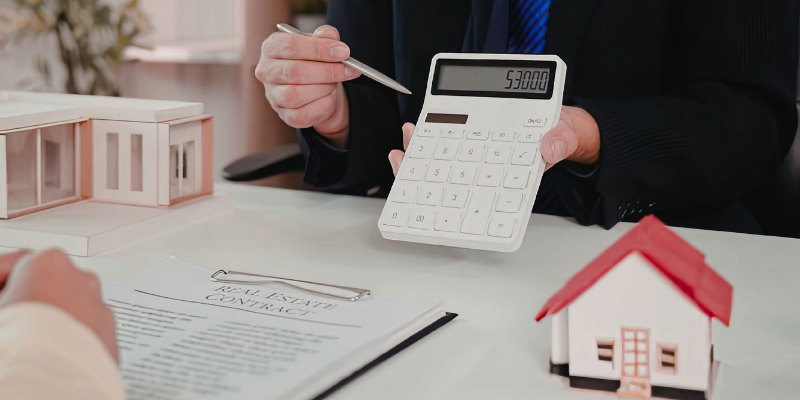
Before selling your house, there are key differences you should know between appraised value and market value. Especially when it comes to sales that are below appraisal. Appraisal figures are estimates of what the property could sell for, taking into account many factors. While market value refers to what buyers are willing to pay, given current conditions. Home sellers can price their houses and make value-defining decisions that are consistent with their expectations after understanding these principles. Learn how your selling process will be affected by changes in the market, and how buyer target demographics will help you develop solutions that will enable you to sell your home below appraised value.
Key Highlights
- Market value is based on buyer perception and current trends, while appraised value is determined by objective criteria.
- Selling below appraised value may attract buyers quickly, especially in a slow market, and offer strategic tax benefits.
- Appraisal reports provide essential insights to set competitive listing prices that align with market expectations.
- Pricing strategies should consider recent local sales and potential negotiation room to optimize profitability and speed.
- Attracting cash buyers can expedite transactions by eliminating financial contingencies and simplifying the selling process.
Understanding Market Value and Appraised Value
Understanding how selling a home works requires knowledge of the market and the appraised value that go hand in hand with setting a home’s price. Market value is set by how much a home buyer is willing to pay and is influenced by demand, the number of competitors, and local market sales. The appraised value is determined by a professional considering the property’s state, recent sales in the area, and things of a similar nature. Clearly distinguishing these two when selling a home is vital to pricing it in the right range and ensuring the seller’s value is realistic relative to appraised and market values.
Understanding appraisal and market value can help during the sales process, including troubleshooting issues. For example, if a home is priced above market value, demand may falter, leaving it unsold. If the home is priced in a way that is below true market value, its selling price is going to leave something on the table, potentially a lot of something. Understanding the appraisal value and market value helps create a price that is competitive, and helps sales bring in desirable buyers and highly negotiable contracts. Basically, this knowledge makes selling a home much easier.
Contact us today and get a fast, hassle-free cash offer for your home that leverages your property’s true value and lets you sell with confidence.
How Market Value Differs from Appraised Value
In real estate, it is common to confuse market value with appraised value; however, they have distinct definitions. Market value is determined by buyers and the prices they are willing to pay; this determination can change with the economy’s trend or the season. Appraised value, however, is determined by an appraiser and is an unbiased evaluation based on the condition and location of the home, along with the comps. Market value is more subjective than appraised value, which is determined by the boundaries of the home and the facts.
It’s important for sellers to know these distinctions. Pricing a home so the appraisal comes back below market value is likely to delay a sale, as buyers will have a harder time getting financing. Conversely, pricing a home so that the appraisal is significantly higher than market value may give the seller more negotiating power to sell it at a higher price. A seller, therefore, has to price a home at a sweet spot so that market value doesn’t dissuade buyers while still attracting competitive bidders. Market value and appraised value play a key role in how sellers control the pricing and selling process.
There is no stopping market fluctuations, and buyers’ perceptions can further influence value. For a seller looking to sell quickly, they can benefit from making sure their home looks nice, whether it is just painting the front door, putting in new landscaping, or doing a complete remodel. Understanding the relationship between market value, appraised value, and time in the broader context of real estate will help sellers sell quickly and stand out from the competition.
Having explored these strategic tips for sellers, it is essential to delve deeper into understanding the nuances between market value and appraised value in real estate. This knowledge can further equip sellers in achieving their property goals:
- Market value reflects buyer demand and willingness to pay, often influenced by emotion and competition.
- Appraised value is set by a licensed appraiser using comparable sales, property condition, and local market trends.
- Market value can fluctuate quickly, while appraised value provides a more stable estimate.
- Sellers can negotiate based on differences between buyer offers and appraisals.
- Understanding lender requirements helps avoid surprises, as loans rely on appraised value for borrowing limits.
- Differences in value perception can affect financing; being informed enables proactive problem-solving.
- Low appraisals can be challenged with evidence, boosting confidence and property appeal.
By understanding both market and appraised values, sellers can strategically position their property to attract buyers and meet their financial objectives.
Impact of Market Value on Selling Your Home

Understanding a property’s market value is essential for devising a selling strategy. The closer to market value you list a property, the more interest you receive, which could lead to a higher final sale price as multiple offers may be placed. If you price your property in line with current market trends, you give your home more exposure, and more people will be willing to offer. Market value is important because it helps you build trust with prospective buyers by showing them your realistic expectations.
The worst thing you can do is overprice a home, as it can sit on the market for a long time. Buyers are not interested in anything priced above the current market, no matter the quality. On the other hand, if you set the price too low, you can create high demand for the home and soon realize you have undersold it. Finding recent sales, neighborhood, and trend analytics can help you price homes appropriately. Pricing your home right will reduce the time it’s on the market. Making adjustments based on feedback helps to keep interest in your home.
The market value of a property reflects the worth that the market ascribes to that property. Homes that are not updated are likely to be undervalued, while modern kitchens or updated energy-efficient features can increase a home’s desirability and sellability. Sellers who are knowledgeable about local economic trends and have reasonable expectations can sell their home quickly and maximize offers. Sellers can make modest upgrades that can significantly increase a buyer’s level of interest. Emphasized marketing features may also increase perceived value as well.
Yellow Card Properties provides fast, hassle-free cash offers that reflect your home’s true market value, helping you sell quickly without waiting for multiple buyers or uncertain financing.
Reasons to Sell Your House Below Appraised Value
Opting to sell a house for less than its appraised value may seem strange, yet in some situations it may be the best choice, especially in a constantly changing market. Selling a house for less than the appraised value creates a sense of urgency, especially attracts those buyers who are not as willing to spend a lot of money on a house, and increases the interest in the property. This will be especially useful in a slow real estate market, and even in a very busy one, as the sooner you can sell the house, the better.
While weighing the benefits and drawbacks, the potential loss of selling the house for less than its appraised value may reduce your net proceeds and could adversely affect property values in the neighborhood. In addition, selling a house for less than its appraised value may affect other negotiations, as buyers may expect more concessions. To sell within a given time frame and avoid losing too much money, sellers need to evaluate the market and selling conditions.
Advantages and Disadvantages of Selling Below Value
Deciding to sell a house for a price below its appraised value brings both opportunities and challenges that need thorough analysis. Conversely, this speeds up the process when one offers less than the house’s appraised value. This frequently results in a bidding war, giving homeowners the chance for more negotiations and conditions, such as no renovations, a better price, and an easier time with the closure of the sales.
Meanwhile, selling a home for less than its appraised value can offer tax benefits. It might seem paradoxical, but a lower selling price can be used to reduce future capital gains tax when one has owned the property for a while, and it has appreciated significantly in value. It could be an opportunity to sell the house for less than the assessment as part of a larger gift, thereby reducing the potential gift tax impact, as is often the case when the estate is transferred to other family members.
Regardless of the merits, this strategy does have problems. The greatest of these problems is the impact on selling your home at less than the optimal possible price on the open market. This could undercut your financial plan, particularly if you relied on the maximum return to fund your next purchase. Beyond this, pricing your home at a loss could also be interpreted as a sign that something is wrong with the property or that it has been poorly maintained, leading to a lack of interest altogether.
There is also the problem of the psychology behind the pricing. The idea of having your home appraised and then selling it for less than that could give the impression that you are selling the property for less than it is worth, and this could also lead to a lack of interest. The home could also sell for less than it is worth compared to the neighborhood or community market. There is obviously a balance to consider when deciding on your personal and financial goals when selling your home.
Factors Influencing the Decision to Sell at a Lower Price
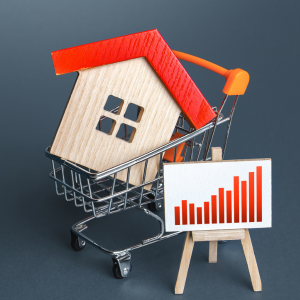
A decision to sell a house for less than the appraised value can depend on several factors. One can better understand these related factors outside your control by considering economic factors first. Suppose the economy is suffering; the number of buyers can drop. Consequently, the market value can be lower than the appraised value. In this case, the seller can sell the house more quickly by pricing it lower than the appraised value. Without considering economic factors, there can be an overpricing mistake.
A personal timeline can also be a relevant factor. Suppose there is work, family, or another commitment that requires a move. In this case, it can make sense for the seller to prioritize a quick sale rather than wait for a buyer willing to pay the appraised value. A slightly lower price can also be advantageous because it prevents an extended listing period. Having a sense of your urgency can also help you frame expectations more realistically.
Appraisal reports provide feedback regarding issues that could impact marketability and must be considered. External market conditions, i.e., regional market trends, seasonality, and interest rates, will also play a role. Pricing properties competitively requires comparing like-kind properties in the relevant market and considering tax liabilities. Balancing the appraisal report’s elements with external market conditions enables the seller to devise a strategy that achieves their goals while remaining realistic. A competitive listing will appeal to the market, and a detailed appraisal analysis will help achieve that goal.
Setting the Right Listing Price
Listing your home at the right price is critical to your success in selling it. In order to do this, you must analyze the home’s market value, the home’s appraised value, and the real estate trends at the present time in your area. You want to avoid having your home sit on the market for too long. Listing at the right price can create demand, heighten urgency, limit the time buyers have to make offers, and drive up the home’s price in a bidding war.
With the objectivity the appraisal report brings, it is central to this strategy in shaping the report’s pricing. The report provides detailed information on the home’s assessed value, including recent sales, the property’s condition, and the neighborhood. Without the balancing of the appraised value and market condition insights, the value is unacceptably flexible. Losing the competitive edge of not underselling the property is at risk. This is even more so the case when evaluating provisional offers. This approach gives the seller the best strategy in navigating the market.
Role of the Appraisal Report in Determining the Listing Price
Pricing your home requires considering what the appraiser’s report may say. One of the benefits of an appraiser’s report is that it contains an unbiased home appraisal that supports the property’s appraised value. Ultimately, this factor supports the appraisal numbers and strategy that the seller lays out. For sellers, understanding the appraisal report clarifies why the assessed value is what it is and the seller’s market position.
A seller’s home appraisal value is not an arbitrary number; it reflects the buyers’ perceived value of the house and market conditions. In addition to the home’s physical structure, an appraiser will look beyond the home to the surrounding geography and the neighborhood’s socio-economic status, as well as other metrics that affect buyers’ perception of value. This appraisal opens a pricing window to the seller so that they don’t rationally fear the home will remain unsold.
Furthermore, appraisal reports highlight areas where enhancements could enhance market appeal, such as upgrading outdated features or addressing repairs. The insights from a thorough appraisal report help you set a listing price that accurately reflects your property’s value in real estate terms while aligning with broader market expectations. By doing so, you balance the need for competitiveness against achieving a satisfactory sales price.
| Factors in Pricing | Appraisal Report | Market vs. Offers | Seller Adaptability |
|---|---|---|---|
| Location | Assessment of Value | Compare Asking Price | Adjust to Market Trends |
| Property Condition | Verification of Features | Evaluate Buyer Feedback | Flexibility in Negotiation |
| Recent Sales Data | Objective Analysis | Understanding Offer Variations | Plan for Price Adjustments |
| Market Demand | Supports Price Justification | Align Expectations | Open to Buyer Suggestions |
This table underscores the intricate process of setting a competitive, strategic listing price in the real estate market.
How to Balance Market Value with Potential Offers

There has to be a balance between pricing your home based on market value and potential offers, and a lot of strategy and understanding of the situation to get there. If sellers understand how much buyers are willing to pay for a home, it also determines how many potential offers will be made for the home on the market. If sellers price their home according to market value, there will be more offers, and hopefully those offers will be more competitive.
Determining the local sales of comparable properties will ensure the seller has the necessary information. This is especially true for an initial price gauge and for a price that is more or less than what buyers are willing to spend. For sellers, the market is constantly changing, so they need to shift their strategies accordingly.
Considering appraisal findings alongside market analysis strengthens your pricing decisions. While pricing slightly above market value can allow room for negotiation, overpricing may deter serious buyers, and underpricing might lead to faster sales but reduced profit. Flexibility and preparedness for negotiation are essential to successfully navigate these trade-offs.
To boost the attractiveness of your home, engaging with the potential buyer’s tastes and preferences is everything. To ensure your property is up to par (or better) than expected, you can improve your presentation, incorporate feedback, and adjust your strategies based on market conditions. Buyer insights combined with data make sure you close successful, lucrative transactions.
Exploring Options to Sell on the Open Market
Selling your house is about how well you open up the other selling options in the market. There are various opportunities that house sellers should take advantage of, as each completely alters the timeline and outcomes of the house-selling process. For instance, selling to cash buyers is fast and flexible, while selling your house with the aim of getting a fair market offer also helps you fulfill your financial goals and helps the buyers achieve theirs, too. Having knowledge of these house-selling opportunities makes the sellers agile and adaptable in a changing environment.
Also, how you price your property and your marketing plan should align with current market trends to maximize your property’s appeal. Taking into account the appraised value and recent comparable sales will provide you with a reality check and help you avoid the potential pitfalls of overpricing or undervaluing your home. In today’s market, a well-thought-out strategy will help sellers streamline the sale of their property.
Attracting Cash Buyers for a Faster Transaction
When selling your house, attracting Florida cash buyers can significantly speed up the process and simplify the transaction. These buyers are typically looking for quick, hassle-free sales and focus on properties with strong investment potential. By tailoring your strategy to meet their priorities, such as condition, location, and appreciation potential, you can avoid many of the common obstacles found in traditional home sales. This approach can help you stand out in a competitive market.
If you want to attract cash buyers, you may want to consider pricing your home a little below appraised value. This will allow you to close your sale faster and may result in fewer contingencies. Providing your home with updates and making it move-in ready can also increase the chances of appealing to cash buyers. The benefits do not only come from the larger updates. The small improvements can also lead to a larger buyer interest
Marketing your home should emphasize the benefits you know are true and advantageous to cash buyers. This includes immediate availability, potential income, and no financing delays. It would be advantageous to list your home on investor-oriented websites and highlight the simplicity of cash sales. The right marketing will result in a quick and reliable sale. Clear messaging is most helpful in making your sale successful.
Ensuring a Fair Market Offer for Your Property
Setting your property up to attain a fair market offer is crucial to the success of your home sale. A fair market offer is characterized by an offer that is justifiable in relation to the market value and appraised value of a property. To land such an offer, a seller must be skilled at capturing buyers’ interest in line with current real estate market trends.
Fair listings that clearly convey the property’s true value, even amid a myriad of competing listings, are likely to attract many buyers. Having listings that highlight the property’s most marketable features is likely to be a strong point. Features like a good location, renovations, and energy-efficient improvements are appealing; don’t forget good pictures and virtual tours. Buyers are looking for value, and they will be attracted to listings that highlight the home’s features.
Moreover, when you incorporate data from a full home appraisal into your pricing strategy, you align your expectations with what the market will support. Appraisal reports will tell you the good and bad things about your property, as well as guide you on what changes you may need to make to your sales strategy. Potential buyers will feel more comfortable that the price corresponds with a professional estimate, making your asking price more defensible.
Additionally, actively analyzing neighborhood sales trends can provide clarity on how to adjust your strategy to reflect dynamic market conditions. Knowing what similar homes have recently sold for equips sellers to negotiate effectively, helping them understand when to hold firm and when to make adjustments to secure advantageous outcomes. Through diligent preparation and strategic marketing, sellers can achieve a fair market offer that maximizes the financial return on their home sale investments.
While selling your home for less than its appraised value might initially seem like a loss, it can be a strategic move in certain market conditions. It’s crucial to weigh the benefits of a quick sale against the potential for a higher offer over time. By understanding market value dynamics and considering your personal circumstances, you can make an informed decision that aligns with your financial goals. For homeowners eager to move forward without delay, accepting a lower offer can sometimes unlock new opportunities and lead to a successful, hassle-free transaction.
FAQs:
What is the difference between appraised value and market value?
Appraised value is an objective estimate made by a professional appraiser considering the property’s physical aspects and location. Market value is the price buyers are willing to pay, influenced by market trends and buyer demand.
Why might someone sell a home for less than its appraised value?
Selling below appraised value can speed up the selling process, particularly in slow markets, and might offer tax benefits. It attracts buyers looking for a sale, increasing the chance of a quick sale.
How does market value affect the pricing strategy for selling a home?
Market value sets the foundation for potential offers, influencing the list price to attract buyer interest. Pricing too high above market value might lead to longer listing times, while underpricing can create demand but may undervalue the property.
What are the benefits of attracting cash buyers when selling a home?
Cash buyers expedite the sales process by eliminating financial contingencies, making transactions smoother and faster. Marketing strategies that appeal to cash buyers can lead to quicker sales.
How can an appraisal report inform your property’s listing price?
An appraisal report provides an objective assessment of a property’s value and offers insights into its competitive advantages. This helps set a realistic listing price that aligns with market conditions and enhances appeal.
Ready to sell your house without the headaches? No repairs, no delays, just a smooth, fast sale. Yellow Card Properties offers fair cash and handles the entire process. Call (904) 539-4420 today to learn more.
Helpful Articles For Homeowners