
Flood-damaged homes present unique challenges, yet they can still attract interested buyers. It just requires a bit of work to be transparent about your flooding issues and highlight the home’s potential. With effective marketing and preparation, motivated buyers who recognize the home’s value can buy it quickly. This guide will focus on selling your flood-damaged property and the strategies that can be used, such as renovations on specific areas, to a more targeted approach to your specific buyer. With this guide, we will show you how to turn a problem into a solution so you can sell your home in the timeframe you want.
Key Highlights
- Understanding your home’s flood designation impacts insurance needs and market value, which is crucial for a selling strategy in Florida.
- Accurate flood damage assessment is key to setting repair priorities and property valuation in a competitive market.
- Full disclosure of flooding incidents builds trust, complies with the law, and attracts investors to storm-damaged homes.
- Effective advertising highlights flood mitigation features, appealing to buyers interested in renovation opportunities.
- Selling as-is can attract investors and expedite sales, bypassing costly repairs for storm-damaged homes in Florida.
Understanding Your Home’s Flood Designation in Florida
In Florida, knowing your home’s flood designation is crucial when planning to sell. Flood zones can influence buyer interest, required insurance coverage, and overall market value. When a property is located in a higher-risk flood zone, buyers, especially Florida cash buyers, often consider potential insurance costs and long-term risks before making an offer. Because of this, understanding how your property’s flood status affects its market perception can play a major role in shaping your selling strategy.
Even though higher flood risks could be seen as a deterrent to selling a house, this doesn’t have to be the case. Presenting flood risks alongside the house improvements or repairs at the right price will still draw the interest of serious buyers. With a stronger focus on marketing and positioning, the flood risk could be mitigated, allowing the house to remain competitive. Being prepared and gaining a strong understanding of the current flood-risk housing market will help sellers sell the house with greater confidence.
| Flood Zone Impact | Selling Strategies | Buyer Considerations | Incentives Offered | Professional Insights |
|---|---|---|---|---|
| Identify the zone designations that affect property insurance premiums. | High-flood-risk areas may require special disclosures. | Understand flood insurance requirements and costs. | Offer to offset initial flood insurance payments for a set period. | Highlight neighborhood amenities that enhance lifestyle appeal. |
| Consider the future implications of climate change on property value. | Provide detailed flood zone maps and reports to buyers. | Offer a home warranty that includes flood protection services. | Offer a home warranty that includes flood protection services. | Demonstrate past successful sales in similar risk zones. |
| Awareness of FEMA regulations and updates. | Ensure transparency regarding previous flood incidents. | Evaluate property elevation certificates carefully. | Include discounted rates for sustainable home upgrades. | Use technology to illustrate water drainage solutions. |
| Potential customization needs for risk management. | Focus on resilience and community recovery support. | Discuss accessibility from major evacuation routes. | Provide incentives for energy-efficient installations. | Stay updated on local and federal flood mitigation grants. |
This table illustrates how understanding and strategic planning around flood designation factors can lead to successful home sales, even in challenging zones.
How Flood Zones Impact Your Selling Strategy
There are pros and cons of selling a home in a Florida flood zone. FEMA determines which flood zone areas are located in the US based on risk type. Insurance costs and buyer inquiries also vary by flood zone. Knowing your property’s flood zone designation allows you to plan your selling strategy better. Homes in flood zones have a higher risk of requiring more flood insurance, which may increase the costs and dissuade potential buyers. Sell homes in flood zones by marketing the above-average flood-proof materials and showing above-average flood-proof homes in the areas.
Disclosure of flood zones can influence buyers’ perceptions of a property. Some buyers may be hesitant to purchase a property and invest, but being honest about the flood zones can build trust and attract new buyers who want to invest and fix it up. Some sellers provide incentives to buyers, such as paying part of the first-year flood insurance premium or providing a copy of the flood insurance claim. Incentives can lessen buyer apprehension and accelerate the sale of the property.
Selling flood-prone properties can be improved through collaboration with local professionals who can evaluate flood risks for the pr, peg. Concerns about flooding and storms can be addressed through effective marketing to ensure the property remains competitive. Buyers’ confidence can be increased and property sales improved by recognising and addressing the ramifications of flood zones.
Evaluating and Documenting Flood Damage in Your Florida Home
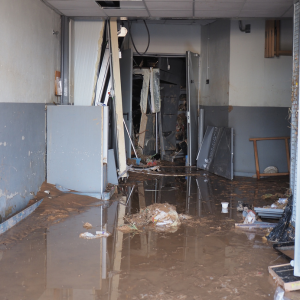
When selling a home in Florida, it’s important to know all details regarding flood damage. Having a good understanding of this, and even more importantly, having it documented, can assist homeowners with making informed decisions regarding repairs and also setting buyer expectations. Assessing flood damage is a process because not all damage is visible. What is needed is a detailed assessment of structural elements, electrical systems, and mold presence to determine the extent of water damage. This detailed assessment is necessary in order to provide the buyer with justifiable transparency.
The homeowner can assist the documentation process by taking a visual record of the damage. This process includes photographing and videotaping the damage on walls, floors, and ceilings. The structural damage should also be documented, especially if it relates to the foundation. Also, if there is damage to the water-exposed electrical systems or appliances, then the documentation process should also include this. The purpose is to better assist professionals in determining the costs of repairing or replacing these appliances. Any hidden damage, especially mold-related damage, can be even more costly than a properly documented flood, so having a damage assessor inspect the flood thoroughly is important.
Awareness of these factors leads to better financial preparation. Homeowners can make informed decisions about which repairs to make and apply for repair aid programs, including FEMA. Sellers can document, evaluate, and communicate flood damage, which will improve their decision-making and aid in property valuation, enabling a frank and persuasive case to prospective buyers. Understanding the damage adequately helps homeowners achieve the best possible outcome in the current market.
Yellow Card Properties provides fast, fair cash offers for flood-damaged homes, letting homeowners sell as-is without the stress of repairs. By thoroughly assessing damage, we ensure transparency and a smooth, reliable sale.
How You Can Sell a Flood-Damaged Home Fast
For homeowners affected by storm damage, the primary concern is selling a flood-damaged home in Florida quickly. There can be a number of reasons for the urgency, including limited financial resources and time-dependent insurance processes. By keeping the property’s condition and the buyer’s perspective in mind, homeowners can increase the likelihood of selling their home. With adequate documentation and full disclosures, each stage of the selling process can be improved.
Targeting buyers with experience and/or open to purchasing flood-damaged homes is just as important. This can include investors or buyers looking for discounted listed properties. By marketing repair and mitigation and/or insurance coverage, sellers can expedite the buying process and capture the interest of serious buyers. Selling flood-affected homes can be successful by combining preparedness, honesty, and focused effort.
Strategies to Expedite the Selling Process
Developing a solid plan is key to rapid home sales with flood-related damage. One of your first considerations should be an as-is sale. This saves time and money on repairs and can be the best option for cash buyers or investors. Typically, these buyers flood-damaged properties at a lower purchase price, fix them up, and resell them as renovated properties. In Florida’s real estate market, these buyers see value in storm-damaged properties and the potential for profit.
Sump pumps or exterior drains, as part of flood mitigation or remediation, can enhance your property’s appeal. Be honest and direct about flood damage and still simplify the process. Providing flood damage inspection reports, repair documentation, and updates on flood insurance can ease buyers’ trust and concerns and expedite flood damage decision-making, which is favorable.
Focusing on professionals who can best promote your flood-damaged home is another important strategy. These professionals can quickly funnel interested buyers through their networks. Additionally, a serious interest will be generated with the appropriate pricing of your home. Price competitively, factoring in the value of the home, the level of flood damage, market conditions, and the anticipated buyers’ repair cost.
Using the internet to market your home will increase your chances of reaching the right audience. Listing specifics that are attention-grabbing, descriptive, and highlight the property’s strong points and the area’s selling points will help attract more eyes. Summing up what has been discussed above, more eyes mean more chances for a more efficient, quicker sale, and for you to accomplish your objectives when selling a home with flood damage in Florida.
How to Attract the Right Buyer Quickly

Proper marketing and positioning of flood-damaged properties within the real estate market will target the right buyers. While flood damage may inhibit the property’s appeal to some prospective buyers, it helps attract a certain class of investors, buyers looking to undertake heavy renovation work. For example, if the property has flood-mitigation features such as flood- and moisture-resistant building materials, a reinforced foundation, and/or elevated flooring, cash buyers seeking to limit their risk will be attracted to it.
Being as open as possible with buyers about the damage and the work done to rectify it is highly advisable. For example, buyers will appreciate the work that has been done to obtain detailed inspection reports, prior insurance information, etc., to assist them in evaluating the property. Further, it is advisable to present the property’s value and the potential of the surrounding area regarding any flood resilience. Resilient surrounding areas may have new flood-control infrastructure planned or have changed flood zones.
In addition, pricing the home properly can attract many potential buyers. Pricing homes based on condition and needed repairs helps attract serious cash buyers looking to buy immediately. Offering to sell to experienced agents who transact with flood-affected homes will give you their contact information and help you expand your network. With the right plan, market demand, and incentives, you will find the right buyer in the right timeframe.
Contact us today to receive a quick, fair cash offer for your flood-damaged home. We purchase as-is, so you can sell fast without worrying about repairs.
The Power of Full Disclosure When Selling Flood-Damaged Homes in Florida
When selling a flood-damaged home in Florida, honesty is not just a requirement; it is essential to build a trustworthy relationship with potential buyers. If you want to avoid future legal scrutiny and to provide buyers with as complete a perspective as possible, you should document and disclose as much as possible about past flooding incidents, repairs, and preventive measures. Instead of just meeting legal obligations, potential buyers will appreciate honesty, which will help build trust with buyers who see the potential in refurnishing properties with flood and/or storm damage and the risks that come with it.
When a seller is fully honest and comprehensive, it will include all documentation of flood damage to the home, as well as thorough documentation of repairs and details of all mitigation efforts (such as a sump pump or a flood vent) to demonstrate that flooding issues have been proactively addressed. Buyers like to have all information right away to help them make a definitive decision about potential, regardless of legal obligations, which provides them with the confidence to invest in renovation projects and make rapid investments.
Additionally, full disclosure can be used as a selling point. Describing the pros and cons of a flood-damaged home helps sellers ease the buyers’ fears, keep the transaction going, and build relationships. Well-informed buyers are easier to negotiate with, so sales are completed more quickly and with less work. Full disclosure fulfills legal obligations but, more importantly, enhances the home’s marketability and gives sellers a competitive edge through honesty.
Navigating Flood Insurance and Documentation
To sell a flood-damaged house in Florida, the seller must understand flood insurance and have comprehensive documentation to support the sale. Management of documentation and insurance knowledge supports legal compliance and reduces the time required to sell the house by mitigating the buyer’s insurance concerns. Knowledge regarding flood insurance, flood claims, and mitigation will allow the seller to be open and organized with the buyers.
Start by gathering all flood insurance documents, which are essential for proving coverage and detailing any claims arising from flood damage. Buyers benefit from understanding both past incidents and the resolution processes, including coverage specifics and compensation received. This transparency fosters trust and strengthens the negotiation process.
Prepare a detailed list of the inspection reports and repair documents related to the history of flood damage, in addition to the insurance documents. Photographs of the property before and after mitigation show the repair efforts and the home’s condition after repairs. Buyers are more confident in the value of a property with visual improvements, such as an elevated foundation or a new sump pump, as well as home repairs.
Last but not least, you must comply with the legal disclosure obligations. When it comes to flood zones and your property’s designation, FEMA documents must be included. Also, if you’ve done flood-proofing, show evidence. A well-assembled documentation package will meet legal requirements and show prospective buyers that your home has been well cared for and offers good value, helping them make an offer more quickly.
Marketing Strategies for Selling Your Flood-Damaged Home in Florida

Successfully marketing a flood-damaged home in Florida requires a strategic approach tailored to buyers interested in storm-impacted properties, including cash home buyers in Gainesville and other cities in Florida. Highlighting your property’s potential, rather than just its damage, is key to attracting engaged buyers willing to invest in renovation or investment opportunities. By emphasizing unique selling points and leveraging effective advertising, you can position your home as a compelling opportunity despite its flood history.
The first step is creating successful property listings. Describe existing mitigation measures like elevated foundations and water-resistant materials that reassure buyers on flood risks. Buyers also appreciate high-quality photos and virtual tours, which help them envision the home beyond its current condition and appreciate its layout and potential. Explaining prior flood damage and pricing the property competitively helps buyers trust the property and increases their likelihood of investing.
The most effective way to target new, larger audiences is through social media and various online platforms. Real estate listings on online platforms like Zillow reach a larger audience, and advertising new listings on social media platforms like Facebook that target specific geographic areas may attract real estate or renovation buyers, which is a good way to locate investors. Improving the listing’s features by discussing the area, the flooding mitigation measures, and the neighborhood’s future also increases the listing’s chances of success.
Your marketing will benefit from networking with investor communities. Obtaining flood-damaged listings can be expedited by networking with real estate forums, investor groups, and local builders, which will lead to serious buyers. Honest and clear listings combined with deliberate networking will give you the best chance of selling your property and monetizing your flood damage.
Legal Considerations and Compliance
When selling a home with flood damage in Florida, there are legal ramifications to consider, as sales involving flood-damaged homes can be complicated. Florida real estate laws favor both sides of the transaction, so that means as a seller, you are obligated to disclose as much as you can about the home. Understanding the legal responsibilities when selling a home damaged by a storm helps keep negotiations and the closing process simple.
From a legal standpoint, perhaps the most important thing to know is the burden of being the first to disclose all flood damage and any flood-related incidents from the past that you are aware of. Sellers must disclose all damage to structures, flood repairs, and any flood-related insurance claims to potential buyers. Legally, this information must be disclosed, but buyers will also appreciate the honesty.
The seller must also ensure that all listings and marketing materials accurately represent the property. Honesty about prior flooding and mentioning improvements, such as better drainage systems or elevated/waterproofed foundations, can make buyers feel more comfortable with the steps taken to mitigate flooding risks.
In addition, sellers should ensure that all repairs or renovations comply with Florida’s building codes and flood zone regulations. Having proper permits, inspections, and documentation ready can help prevent delays during the sale and address any concerns buyers may have about the property’s safety and compliance.
Selling Storm-Damaged Homes As-Is: A Viable Option for Florida Sellers
In Florida’s difficult real estate market, selling a storm-damaged house as-is has become a viable strategy for homeowners. Selling a house as-is means the homeowner does not have to make expensive repairs or do any renovations. Homeowners will be able to sell their flood-damaged homes to real estate investors, who will make the necessary improvements. As-is flood-damaged homes can be very appealing to investors. Selling as-is flood-damaged homes lessens the time, stress, and financial burden homeowners have to transactions with to sell storm-damaged properties.
Especially in the current market, the advantages of selling as-is properties are very convincing. It speeds up the sales process by eliminating negotiations over repairs, and it targets buyers willing to take on renovation projects. From a financial standpoint, selling as-is shifts the repair burden from the seller to the buyer. This strategy is especially beneficial for sellers who have costly flood-mitigation or structural-compliance repair requirements that can be avoided.
Additionally, selling as-is properties attracts investors and property flippers. They are the ones who can see value where others see risk. Even buyers who are not willing to take on renovation projects will be interested if you highlight flood-mitigation measures, such as elevated structures or water-resistant materials, to help them feel more secure.
Ultimately, selling a storm-damaged home as-is streamlines the sales process, aligns with market realities, and provides a viable path for homeowners navigating the challenges of flood or storm damage. For sellers seeking a fast, practical, and less stressful solution, leveraging the as-is option can be highly effective.
Selling a flood-damaged home in Florida can seem daunting, but with the right approach, it’s achievable. Remember to assess the extent of damage, make necessary repairs, and highlight any improvements that enhance the home’s value. Tailor your marketing strategies to emphasize resilience and unique features, and connect with experts who specialize in quick sales of distressed properties. With these steps, you can simplify the process and turn potential setbacks into opportunities for a swift, profitable transaction. Consider exploring buyer networks focused on flood-affected areas to ensure your property reaches interested purchasers.
FAQs:
What is the significance of understanding flood designation when selling a home in Florida?
Knowing your home’s flood designation is crucial, as it affects insurance requirements and your property’s market value. Higher-risk flood zones can deter some buyers due to increased insurance costs. Highlighting mitigation measures can help offset these concerns and attract buyers.
How can a detailed flood-damage assessment help me sell my home?
A thorough flood damage assessment helps prioritize repairs and establishes realistic property valuation, providing buyers with a clear picture of the home’s condition. This transparency can enhance buyer confidence and streamline the sales process.
What are the advantages of selling a flood-damaged home as-is?
Selling as-is reduces the upfront repair costs and appeals to investors seeking renovation opportunities. This strategy can expedite the sales process by attracting buyers willing to assume flood-damage risks.
Why is transparency about flooding incidents important when selling a home in Florida?
Full disclosure of past flooding incidents is not only legally required but also helps build trust with buyers. By being upfront about flood damage, you can foster buyer confidence and potentially expedite the sales process.
How can I effectively market a flood-damaged home in Florida?
Utilize strategic advertising that highlights flood mitigation features and potential renovation opportunities. Online platforms, targeted social media ads, and engaging property listings can attract buyers interested in investing in storm-damaged homes.
Do you need to sell your house? Sell it quickly, avoid costly repairs, or prefer a hassle-free sale. Yellow Card Properties is here to help. We offer fair cash offers, handle all the details, and make the process seamless. Ready to sell or have questions? Call us at (904) 539-4420 for a no-obligation offer. Get started today!
Helpful Florida Blog Articles
- How Long Should You Live in a House Before Selling in Florida?
- Selling a House to a Family Member in Florida
- Should I Stage My House to Sell in Florida?
- Do Open Houses Still Work When Selling a Home in Florida?
- How to Sell an Apartment in Florida
- How to Sell a House with Flood Damage in Florida
- How Much Does a Realtor Charge to Sell a House in Florida