![Sell Your Home With Mold [market_city]](https://image-cdn.carrot.com/eyJidWNrZXQiOiJwcm9kdWN0aW9uLmNhcnJvdC11cGxvYWRzLm9uY2Fycm90LmNvbSIsImtleSI6InVwbG9hZHMvc2l0ZXMvNTUwNDMvMjAyNi8wNC9TZWxsLVlvdXItSG9tZS1XaXRoLU1vbGQuanBnIiwiZWRpdHMiOnsicmVzaXplIjp7IndpZHRoIjoxMTUyfSwidG9Gb3JtYXQiOiJ3ZWJwIiwid2VicCI6eyJxdWFsaXR5Ijo3MH19fQ==)

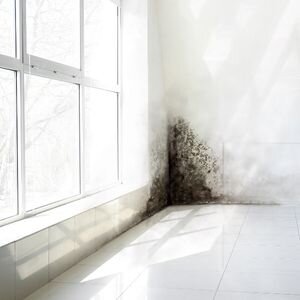
In Florida, structural mold does not prevent a home from being sold. It does, however, involve the need for a unique selling proposition. In a marketplace where home valuations approach $415,000, and homes take potentially weeks or months to sell, buyers are rightfully cautious of properties with mold, and Yellow Card Properties understands how to position these homes for the right buyers. So buyers will factor mold issues into their offer. The focus is on proper disclosure and selling proposition adjustment (selling as is, price, repair, and/or combination thereof).
Florida Mold Disclosure Laws In Selling Your Home
By law, sellers in Florida must notify buyers about information that may adversely affect the market value of a home that is not readily discoverable, including issues that the seller knows will impact the market value or the safety and integrity of the home.
While there is no Florida law specific to mold disclosure, persistent water intrusion that causes a mold problem, previously completed mold remediation, and the presence of mold are material facts, and sellers would be legally obligated to disclose them, even in an “as is” sale. Sellers would be legally unable to use a standard sale contract to shift responsibility to a buyer to discover defects.
Real estate agents must also disclose any issues that may be considered material, including mold. If a sales agent fails to make a disclosure, they can be found liable. Because the fallout from not disclosing may include competent lawsuits, loss of contract, and damages, the best strategy is full disclosure.
Legal Obligations for Mold Remediation in Florida Property Sales
Mold remediation in Florida falls under the purview of the Florida Statutes, Chapter 468, Part XVI, which stipulates that anyone doing mold-related work on areas greater than 10 square feet must have a license from the Florida Department of Business and Professional Regulation (DBPR). Therefore, mold remediation work on large areas is legally permitted only if one is licensed.
Homeowners may clear mold in areas that are roughly 10 square feet or less, so long as it is done safely, but anything larger or more complicated must be done by licensed professionals. To also prevent a possible conflict of interest, Florida divides mold assessors from mold remediators. This means that assessors find the problem and remediators take care of the cleanup, and usually a new assessor is used afterward to ensure the work was completed properly.
Florida Seller’s Liability for Hidden Mold Damage in Real Estate Transactions
Florida law defines seller liability for undisclosed mold in real estate transactions in terms of the seller’s duty to report material defects. For the buyer to be successful in the claim, the buyer generally has to prove the seller’s knowledge of the mold, the issue is not outwardly obvious, the issue materially affects the value of the property, and the issue is not reported prior to the sale.
This law advises that, in a transaction, you are typically not liable for problems that are genuinely unknown to you. However, the law does change once you become aware of the mold issue, and you are then obligated to report it. If the seller is aware of mold and does not report it, and the buyer subsequently discovers it, the buyer has the right to take legal action and will be able to claim the expenses of the remediation plus any other damages. To protect the seller from significant legal exposure in the sale of a home with mold, the seller should completely disclose the facts in the transaction.
Florida Home Inspection Requirements for Mold Detection Before Sale
Although mold inspections aren’t mandatory in Florida, they are important to buyers concerned with water damage. Based on the contract, buyers have the right to water damage inspections and the right to renegotiate or rescind the contract based on the surfacing of mold damage.
Home inspections in Florida tend to be surface-level-only reporting on visible signs of damage without the auditing techniques of air quality assessment or wall openings. This has resulted in buyers hiring inspectors equipped with moisture meters, thermal imagers, and air samplers to assess damage more thoroughly. Mold technicians must test early to provide the most accurate assessment within a limited time frame.
Professional Mold Testing Services for Florida Home Sellers
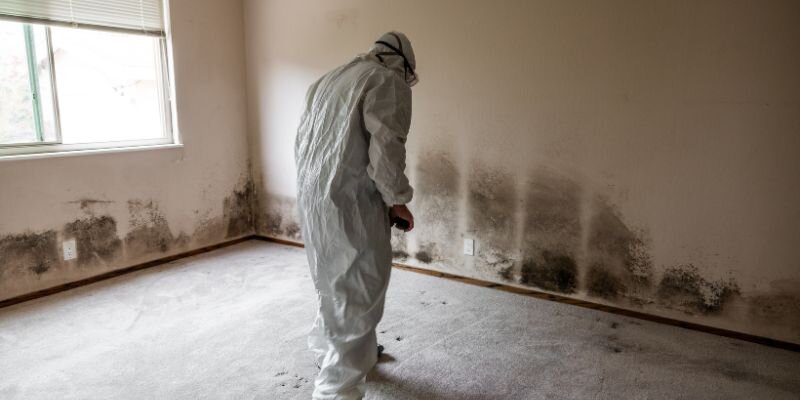
In the presence of water damage, musty smells, or staining, a pre-listing mold inspection protects Florida home sellers from surprises during negotiations. Licensed mold assessors conduct a professional mold evaluation. They assess the building, take moisture level readings, and collect samples to determine the potential presence of mold and the extent of the issue.
The assessment generally costs between $300 and $800, depending on how large the home is and how much testing is required. After assessment, buyers receive a report that describes any mold found, moisture sources, and the next steps that should be taken. No moisture found in the home provides reassurance for buyers, and the report becomes valuable during an insurance claim. The report also helps indirect and determine steps that should be taken. The report helps with repairs.
Florida Property Value Impact of Mold Contamination and Remediation
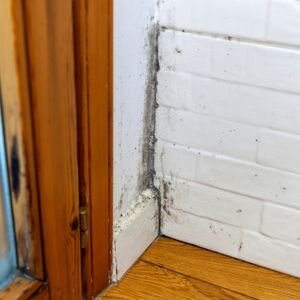
In Florida, mold contamination definitely has an impact on property value, but the effect varies based on the problem’s severity, extent, or presence of remediation. In general, minor, remediated mold issues have negligible or no value impact. On the other hand, severe and untreated mold presence will almost definitely have a negative effect, especially if buyers see expensive repairs up front.
Nonetheless, the problem’s value-reducing potential is intertwined with the response. If buyers find out about an undisclosed mold problem, the remediation affects property value dramatically, with a much more severe outcome. However, with a proper disclosure of the mold problem and the remediation certificate, buyers can feel reassured, and the drop in value is minimal. Finally, properly repairing moisture and ventilation issues, which can be the root cause of the mold problem, can actually stabilize the property value, if not increase it.
Negotiating Price Reductions Due to Mold Issues in Florida Properties
Mold complications can be difficult to understand, and mold-related costs can be difficult to predict. To offer a more accurate price assessment, obtain costs for professional mold removal. This supports your evidence for price concessions, credits, or reductions.
You can present buyers with several alternatives, such as a closing credit, a lower sale price, or completing remediation prior to closing. Conditions related to the market will determine how the negotiations will be concluded, so be sure to have supporting documentation related to the asking price. These can be repair estimates or sales that are comparable to the offer. In a lot of scenarios, a home price that correlates to the home’s state, along with a full address, will have the greatest effect, along with genuinely serious buyers and negotiations that are uncomplicated.
How to Sell a House with Mold Problems in the Florida Real Estate Market
In Florida, selling a house with mold involves three primary options: repairing, disclosing, and listing on the traditional real estate market, or selling the home to a cash buyer in an as-is state. Investing in mold repairs usually garners better buyer interest and greater sale prices, while also adding a significant amount of time, DIY motivation, and professional remediation to the home-selling process.
If you decide to sell the home without mold repairs, you are legally required to disclose the fact that the home contains mold. You are also required to lower the selling price based on the expected selling price, repairs, and repairs the buyer must undertake to address the mold. Structuring a home sale in this manner significantly decreases the number of potential buyers, but it is legally protective and is unlikely to create a litigating situation.
Cash buyers are the fastest option for an as-is sale, especially when working with a company that buys home in Jacksonville or nearby cities. They are also extremely accommodating to homes with repairs. As payment is completed with cash, the offer requires much less time for the home seller and is mostly self-contained, reducing stress along with repair obligations and extended sale negotiations.
Marketing Strategies for Selling Previously Mold-damaged Florida Homes
Being honest works best when you position previously mold-affected homes effectively in Florida. Being upfront about the enabled mold problems and the professional remediation is essential, so instead of the detrimental past, reflect on what’s been positively molded.
Buyers will appreciate the additions of the new drywall, renovations of the new HVAC, and the additions of control systems and venting to complement the design, especially when marketing to cash home buyers in Florida or surrounding cities. Present the house in its best, financially attainable light to bring in your ideal prospective buyers. You will have the best chance of selling with the least complications and in the shortest time if you partner with the right agent and market to the right people.
Florida Real Estate Attorney Guidance for Mold-related Property Disputes
Attorneys in Florida can be useful in situations where mold issues arise that become legally troublesome in connection with a property sale. Florida real estate attorneys can prepare and review disclosure papers, determine potential exposure, and evaluate if you are satisfying your Florida legal obligations.
If there are mold disclosure questions and concerns regarding defects in a property, seeking legal counsel at the onset of the process can be helpful in avoiding an oversight and taking risks. Counsel can also help you in drafting disclosure statements that are unambiguous and legally sound, taking disclosure statements from and/or your forms that may be of little use.
This can be particularly true of extensive presentation of mold, mold damage, and related insurance company and buyer disputes. Informing the attorney at an early stage can help to avoid these kinds of situations that result in expensive and time-consuming litigation post-sale.
FAQs
Do You Have to Disclose Mold When Selling a House in Florida?
Florida statutes compel sellers to reveal any material deficiencies that affect the value of the property and that are not apparent to the buyer. That means sellers of homes in Florida have to disclose to potential buyers that the property has a known mold issue, that it has undergone some form of mold remediation, or that there are water issues that have caused or allowed the property to become a breeding ground for mold. That is the case even if you are selling the home in the condition that you have received it, or the “as is” condition.
Is It Hard to Win a Mold Lawsuit in Florida?
A buyer usually is required to show four things to prepare a successful claim pertaining to mold: that the seller knew of the mold issue, that the mold substantially depreciated the property, that the mold was not easily seen by the buyer, and that the seller was obligated to disclose it and did not. Buyers who can establish these elements are on favorable legal ground. However, if known issues are disclosed, the legal risk is greatly lowered.
What Not to Fix Before Selling a House with Mold?
Avoid both fixing severe mold infestations on your own and hiring unlicensed contractors. Per Florida Statutes, Chapter 468, Part XVI, nobody may offer mold services in rooms larger than 10 square feet without a license from the Florida Department of Business and Professional Regulation. Don’t paint over mold stains to make it look better without fixing the moisture trouble first. This will only result in greater legal and financial issues.
What Level of Mold Is Considered Uninhabitable in Florida?
Florida law does not quantify mold conditions that declare a property uninhabitable, but for areas greater than 10 square feet, a licensed professional is obligated to conduct remediation activities, implying that this is substantial contamination. To assess the health risk to the public, a professional judgment is necessary. In cases of extensive mold infestation, most insurance providers and mortgage lenders will need professional remediation to be performed, followed by clearance testing, prior to offering insurance or financing.
Selling a house with mold problems in Florida doesn’t have to be difficult, and you still have options depending on your goals and budget. You can repair the issue, disclose it, and adjust your price, or sell as-is to a cash buyer who is prepared to handle properties in any condition. Do you need to sell your home? Sell quickly, avoid costly repairs, or prefer a hassle-free sale. Yellow Card Properties is here to help. We offer fair cash offers, handle all the details, and make the process seamless. Ready to sell or have questions? Contact us at 904-539-4420 for a no-obligation offer. Get started today!
Helpful Florida Blog Articles
- How Long Should You Live in a House Before Selling in Florida?
- Selling a House to a Family Member in Florida
- Should I Stage My House to Sell in Florida?
- Do Open Houses Still Work When Selling a Home in Florida?
- How to Sell an Apartment in Florida
- How to Sell a House with Flood Damage in Florida
- How Much Does a Realtor Charge to Sell a House in Florida
- Home Staging Costs In Florida
- Sell Your House With Mold Problems In Florida
- Sell A Fire-Damaged House in Florida
- Selling A House with Tenants in Florida
- Selling a House with Foundation Problems in Florida
- Can You Sell a House With a Lien On it in Florida
- Documents Required for Selling Inherited Property
- Tax Implications of Selling a House Below Market Value
- Can I sell my parents’ house with power of attorney in Florida