![Sell Your Fire Damaged House [market_city]](https://image-cdn.carrot.com/eyJidWNrZXQiOiJwcm9kdWN0aW9uLmNhcnJvdC11cGxvYWRzLm9uY2Fycm90LmNvbSIsImtleSI6InVwbG9hZHMvc2l0ZXMvNTUwNDMvMjAyNi8wNS9TZWxsLVlvdXItRmlyZS1EYW1hZ2VkLUhvdXNlLnBuZyIsImVkaXRzIjp7InJlc2l6ZSI6eyJ3aWR0aCI6MTE1Mn0sInRvRm9ybWF0Ijoid2VicCIsIndlYnAiOnsicXVhbGl0eSI6NzB9fX0=)

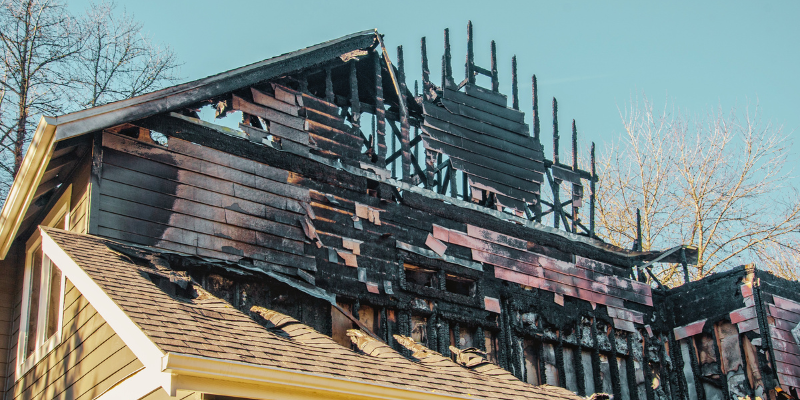
Imagine this: you’re standing in what used to be your kitchen, looking at the charred walls and water damage left behind by the fire department’s efforts. You have aired the place out for weeks, yet the stench of smoke still hangs around. Your insurance adjuster keeps telling you they will call back, but they never do. Meanwhile, you’re paying a mortgage on a house you can’t live in.
We buy houses anywhere in the state of Florida and have for over 15 years. We have walked through hundreds of fire-damaged residences. We have seen everything from electrical fires that took down condos in Palm Coast to kitchen fires that took out single-family houses in Gainesville. Here is what we have learned: you do not have to go back to move forward.
Fire Damage Assessment and Property Valuation Techniques
When fire strikes your Florida home, the full level of devastation goes much deeper than the eye can see. The National Fire Protection Association says there are 358,300 house fires every year in the U.S. Every 93 seconds, somewhere in the country, a house fire is reported.
Unique issues arise from fire damage in Florida’s humid climate. Smoke penetrates things more deeply, and water damage from firefighting can lead to rapid mold development. Structures in coastal settings that are damaged deteriorate more rapidly from the combined effects of heat, humidity, and salt air.
Professional evaluation begins by classifying damage into three stages. Surface damage is damage to the visible parts of a structure, such as the walls and ceilings. Structural damage is damage to beams, foundations, or load-bearing walls. Total loss occurs when the structure is not economically repairable.
The typical cost of fire repair can be as much as $40,000, and the expense of cleanup can be as much as $6.50 per square foot. Many homeowners feel that selling is the better option. These statistics do not include permit costs, interim housing, or ongoing mortgage payments.
Appraising fire-damaged homes demands a different methodology than typical evaluations. Rather than comparing move-in-ready homes, appraisals focus on demolition costs, restoration feasibility, rebuild costs, and land value.
Fire and Smoke Damage Documentation and Professional Inspection Services
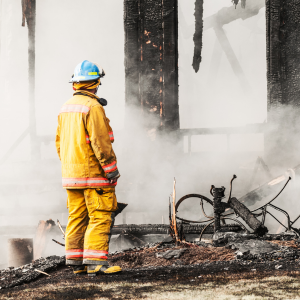
Good documentation is important if you plan on selling the property or filing an insurance claim. An expert examination can provide a better idea of how extensive the damage is and can help the insurance and potential buyers better grasp the state of the home.
When they do an inspection, they typically look at the structure, electrical systems, HVAC components, smoke contamination, and any moisture or mold issues that resulted from the firefighting efforts. During a walk-through, inspectors utilize specialized technologies such as thermal imaging cameras, moisture meters, and air quality monitors to reveal concealed damage that may not be evident.
Documentation should include clear photographs of all affected areas, detailed inspection reports, repair estimates, and notes on any environmental hazards identified during the evaluation. In addition to supporting your insurance claim, organized documentation gives buyers greater confidence, helps streamline the sales process, and can be especially valuable when looking to sell your house fast in Florida.
How to File a Florida Fire Damage Insurance Claim
The Florida insurance market has been facing more challenges in recent years, especially following many harsh storm seasons. When filing a fire insurance claim, homeowners need to move swiftly and keep organized right from the outset.
Immediately after a fire, document all apparent damage, notify your insurance company, keep receipts for any temporary housing or emergency needs, and cooperate with the insurance adjuster assigned to your claim. Most homeowner plans contain coverage for damage to the dwelling, coverage for personal property damage, and supplementary living expenses to assist in paying for temporary accommodation while the home is uninhabitable.
Many homeowners want to know if they can sell a fire-damaged property while an insurance claim is open. In many situations, the answer is yes. This usually means the seller gets to keep the insurance reimbursement for damage sustained while they owned the home, but it depends on the policy conditions and lender restrictions.
Hazardous Materials & Environmental Issues
When fires start, toxic chemicals in older Florida homes can pose dangers. If your home was built before 1980, it could have asbestos, lead paint, mold, or other harmful elements hiding behind walls, floors, or insulation.
These materials may be disturbed and released into the air in the event of fire, presenting major health and safety risks. Florida’s humid environment also provides the perfect circumstances for mold to thrive when water is used to suppress the fire. In many cases, mold can start to grow on drywall, insulation, and wood framing in as little as 48 hours.
Professional remediation might include asbestos removal, lead abatement, mold treatment, smoke odor removal, and air purification services. These additional restoration needs can add large expenditures to repairs, often tens of thousands of dollars to an already expensive reconstruction.
Structure Repair and Smoke Damage Remediation Costs
Smoke damage is often worse than the fire damage you can see. Even small fires can generate smoke that migrates through HVAC systems, drywall, and insulation, and into porous materials surrounding the property, leaving a distinct odor.
Beyond the scent, smoke produces harmful residue that needs to be cleaned up by specialists. Typical fire restoration projects may include demolition and debris clearance, smoke and soot cleanup, structural repairs, HVAC replacement, and flooring replacement. These expenses can vary greatly depending on severity. Major repairs can often cost over six figures.
The average cost to rebuild in Florida right now is $150 to $250 per square foot, depending on where you live, the availability of labor, and the cost of materials. With such numbers, many homeowners find selling as-is a more viable alternative than trying a full repair.
Florida Building Codes and Permitting Requirements
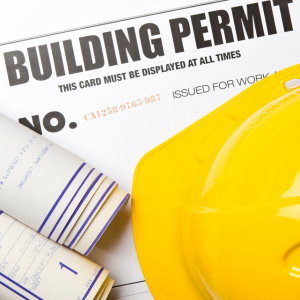
Florida has among the tightest building rules in the country, mostly driven by storm hazards and improvements after disasters. Fire restoration projects are generally required to conform to contemporary building codes rather than the codes in effect at the time the house was first constructed.
This frequently requires upgrading electrical systems, adding GFCI outlets, putting hurricane straps, replacing windows with impact-resistant windows, updating plumbing, and enhancing insulation or HVAC systems to meet energy standards.
Permit timelines vary by jurisdiction, but in many Florida markets, approvals might take 60 to 90 days before rehabilitation can even begin. A restoration job might easily add $5,000 to $15,000 or more due to permit charges, inspections, engineering reports, and utility reconnections.
Problems With Utilities Reconnecting
Damaged houses usually have to have their utilities cut off for safety. In most cases, the residence must be inspected and repaired to meet local safety codes before power, water, gas, or HVAC systems may be turned back on.
Electrical wire often needs to be replaced due to heat and water damage. Plumbing pipes can break, melt, or corrode after a fire. HVAC systems are also often changed since the ducting distributes smoke contamination throughout the residence.
Depending on the severity of the damage, electrical upgrades may cost anywhere from $8,000 to $20,000, and HVAC repair can generally fall in a similar range. Utility reconnection is never immediate and usually depends upon passing several inspections.
Sell As-Is vs. Repair
Many homeowners think that fixing a fire-damaged house will optimize their bottom line, but that is not always the case. When hidden structural, environmental, and code compliance issues are uncovered, repair costs can quickly add up.
A homeowner may spend $85,000 on repairs, $12,000 in carrying costs during months of construction, and $18,000 in agent commissions and closing costs. If they sell the property after it’s been entirely fixed, their bottom line can be less than they think.
Sometimes, selling a fire-damaged home as-is can lead to a stronger financial outcome. Homeowners who choose to sell for cash can avoid costly repairs, reduce ongoing holding expenses, and often close much faster than with a traditional sale. For those looking for a quick solution, we buy houses in Jacksonville in any condition, including fire-damaged properties. Depending on the severity of the damage, location, lot value, and insurance status, fire-damaged homes typically sell for 40% to 70% of their standard market value.
Title Problems and Liens
If you’re buying or selling a fire-damaged house, unanticipated title issues might cause delays or ruin a sale. After a big property loss, you may have insurance-related restrictions, contractor liens, environmental liens, and outstanding HOA liabilities.
Because these issues might impede closing, it’s crucial to deal with an expert title company early in the process. Early resolution of title issues helps smooth the process and shortens transaction times.
Florida Disclosure Requirements
Florida law permits a homeowner to sell a fire-damaged property, but sellers are required to disclose any known material deficiencies that could impact the value of the residence.
This usually contains the date and origin of the fire, the extent of the damage, repairs that have been made, insurance claims that have been filed, and any environmental testing results. Full disclosure helps both buyer and seller in minimizing the chances of disputes or lawsuits once the deal is closed.
Fire Damage (Comparable) Homes for Sale
Comparable sales seldom work on fire-damaged buildings. Buyers and investors are now looking at the land value, the cost to demolish, the cost to rebuild, the investor demand, and the difficulty of permits, rather than comparing the home to move-in-ready properties.
Location is a crucial factor in value. In a hot Florida market, a fire-damaged property can still have significant value, just based on the desirability of the land itself.
Marketing Distressed Properties
When marketing a fire-damaged property, you need to be honest and strategic. Successful listings are transparent about damage and instead focus on redevelopment potential, lot value, or renovation possibilities.
High-quality photos, repair estimates, and wording that speaks to investors draw in serious purchasers, while deterring unqualified inquiries. Typical buyer targets are house flippers, landlords, contractors, and professional cash purchasers.
Cash Buyers & Investors

Cash buyers are experts in distressed properties and may typically close considerably faster than traditional buyers. They remove financial contingencies, buy the property as-is, and streamline the transaction. If the house sits in northeast Florida, the cash home buyers in St. Augustine on our team can look at a fire-damaged property and make an offer without repairs.
Check the proof of funds, references, transaction history, and whether or not the buyer is using licensed title companies or attorneys before you accept an offer.
Other Ways to Sell
In addition to direct cash sales, sellers could also look to auctions or wholesale deals. Auctions can promote rivalry among investors in strong markets, but wholesale transactions tend to have the shortest closing times, albeit the aggregate proceeds are lower.
These choices can be great for sellers who need money fast, have major repair bills, or are waiting for insurance claims to be settled.
Negotiating Contracts for Fire-Damaged Property
Contracts for fire-damaged homes are more complex than a typical purchase deal. Often, they deal with property condition disclosures, environmental issues, insurance claims processing, repair obligations, and extended due diligence timeframes.
Working with competent specialists during contract review can minimize risk and eliminate surprises before closing.
Timing Issues
Timing can have a big effect on buyer demand and pricing. When is the ideal time to sell? Seasonal trends, insurance claim status, local market circumstances, and ongoing carrying costs can all influence timing.
Waiting too long might put more pressure on your finances as mortgage payments, insurance, taxes, and upkeep charges continue as the home lies vacant.
Tax Consequences
Selling a fire-damaged property can result in tax implications from capital gains, insurance revenues, casualty losses, or Section 1033 tax deferral opportunities.
Homeowners facing these scenarios should consult a qualified tax professional before taking action, as things can escalate fast. Yellow Card Properties buys houses cash, call us today.
Financial Planning Post-Fire Damage
A house fire is about much more than property. Many homeowners experience credit troubles, use up emergency reserves, make insurance changes, and deal with larger financial planning issues after a loss.
Selling as-is often can help ease ongoing financial stress, lessen uncertainty, and provide a clearer way to move forward after a painful incident.
Frequently Asked Questions (FAQ)
Can I Sell a House With Fire Damage?
Yes. Florida permits the selling of homes destroyed by fire, provided that sellers disclose known problems to buyers.
How to Avoid Capital Gains Tax When Selling Your Home in Florida?
Florida does not have a state capital gains tax, while federal requirements still apply. Section 1033 and primary residence exceptions can assist limit liability.
Why Won’t My House Sell?
If it costs more to repair than it’s worth or if there are title problems or environmental dangers that make it impracticable to fix the house, it may be hard to sell.
Closing Thoughts
Fire damage doesn’t have to mean financial ruin.
You have options: rebuild, sell as-is, collaborate with investors, and more: auction and wholesale techniques. What’s right depends on your funds, timetable, insurance, and emotional preparedness.
If your priority is to sell quickly, cash buyers can typically make offers within 24-48 hours and will buy the home as-is.
You don’t have to be stuck with a damaged property. With the correct information and help, you can get on with it.
Helpful Florida Blog Articles
- How Long Should You Live in a House Before Selling in Florida?
- Selling a House to a Family Member in Florida
- Should I Stage My House to Sell in Florida?
- Do Open Houses Still Work When Selling a Home in Florida?
- How to Sell an Apartment in Florida
- How to Sell a House with Flood Damage in Florida
- How Much Does a Realtor Charge to Sell a House in Florida
- Home Staging Costs In Florida
- Sell Your House With Mold Problems In Florida
- Sell A Fire-Damaged House in Florida
- Selling A House with Tenants in Florida
- Selling a House with Foundation Problems in Florida
- Can You Sell a House With a Lien On it in Florida
- Documents Required for Selling Inherited Property
- Tax Implications of Selling a House Below Market Value
- Can I sell my parents’ house with power of attorney in Florida