![What Repairs Are Required For An Appraisal In [market_city]](https://image-cdn.carrot.com/eyJidWNrZXQiOiJwcm9kdWN0aW9uLmNhcnJvdC11cGxvYWRzLm9uY2Fycm90LmNvbSIsImtleSI6InVwbG9hZHMvc2l0ZXMvNTUwNDMvMjAyNi8wNy9XaGF0LVJlcGFpcnMtQXJlLVJlcXVpcmVkLUZvci1Bbi1BcHByYWlzYWwucG5nIiwiZWRpdHMiOnsicmVzaXplIjp7IndpZHRoIjoxMTUyfSwidG9Gb3JtYXQiOiJ3ZWJwIiwid2VicCI6eyJxdWFsaXR5Ijo3MH19fQ==)

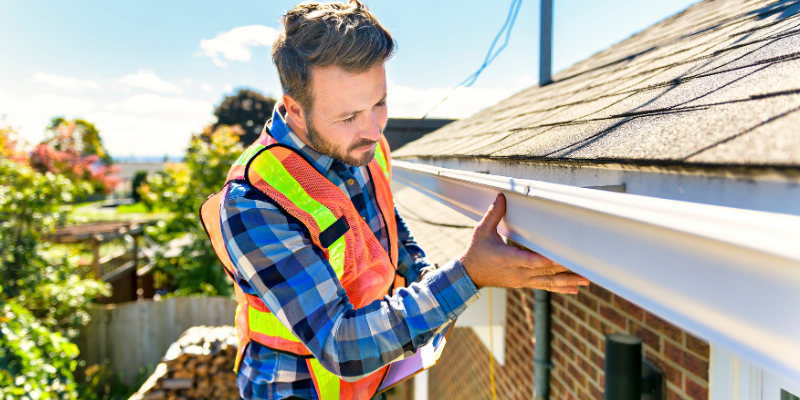
A contract sitting on your kitchen counter feels like a finish line. Then the appraisal report lands, and suddenly the lender is flagging your roof, your water heater, and the peeling paint on the back porch as appraisal-required repairs before anyone gets to talk about closing costs. For many sellers across Florida, that moment is the first time they realize the buyer’s loan has as much say over their property as the buyer does (sometimes more, in my experience).
How Florida Home Appraisals Work From Start to Finish
A family in Celebration, just west of the tourist corridor in Osceola County, listed their home last spring, expecting a quick sale. After about two hours inside, the appraiser left, which felt like a normal visit. Three days later, the lender sent back a list of conditions tied entirely to the appraisal. The sale didn’t fall apart, but it slowed by three weeks and cost the sellers money they hadn’t planned to spend, which is the part that stings most when you’re already mentally moved out.
An FHA-approved appraiser compiles a detailed report that evaluates whether a home meets the Federal Housing Administration’s minimum property standards, covering the property’s market value, its physical condition, and any issues that could affect safety or livability. For VA loans, a VA-assigned appraiser follows a parallel process with its own checklist. Conventional appraisals tend to be less granular but still flag visible deficiencies that affect value.
Your appraiser pulls comparable sales from your neighborhood, adjusts for features, and arrives at a market value. That number matters because the lender won’t loan more than the appraised value. But the condition piece matters just as much. A required repairs section listing what must be completed to meet minimum property standards is included in the report. Those repairs aren’t optional suggestions. They’re conditions the lender attaches to the loan approval. An appraisal in Florida typically runs between $400 and $700, with the buyer usually covering that cost. The seller never sees the bill, but they definitely feel the outcome.
If the appraisal requirements feel overwhelming or you’d rather avoid repairs and lender conditions altogether, Yellow Card Properties can make a fair cash offer. Cash sales typically don’t require a lender’s appraisal, helping you sell your Florida home faster and with fewer delays.
What Most Sellers Miss Before the Appraiser Even Arrives
Florida’s statewide median single-family price stood at $432,000 in June 2026, per Florida Realtors, and with single-family inventory at a 4.5-month supply and condos at 8.1 months, buyers have real options. They’re not rushing. They’re not waiving contingencies out of desperation. This shift in leverage changes how appraisal-required repairs play out at the negotiating table, and most sellers aren’t accounting for it.
Here’s what gets left out of most conversations on this topic: lender-required repairs aren’t generated by an inspector hired to protect you. They’re generated by the appraiser your buyer’s lender chose to protect the loan. Confirming the property’s market value and verifying it meets the minimum standards for that particular loan type is the appraiser’s job. Your comfort level with the home’s condition is irrelevant to that process.
HUD’s minimum property standards, which govern FHA lending, require a home to be free of hazards that could endanger occupants, including electrical, roofing, structural, and environmental issues. VA loans have their own set of requirements. Conventional loans have a lighter touch, but they still flag safety hazards, structural problems, and anything that undermines the property’s value as collateral. Simply put, there’s no version of a financed sale where the appraiser just looks the other way.
I’ve been buying houses across Florida long enough to see the same pattern repeat: sellers who knew their roof was aging didn’t say anything, assumed the buyer’s inspector would handle that conversation separately, and then got blindsided when the appraiser called it out as a repair condition before the loan could close. Inspection and appraisal are not the same thing. Getting clear on that distinction early saves a lot of grief.
What Are Appraisal-Required Repairs in Florida?

Most sellers carry into a listing the picture that appraisers measure square footage, compare recent sales in Windermere or Riverside Acres, and hand back a number. That picture omits an entire layer of the process. When a home has any condition that affects safety, structural soundness, or an occupant’s ability to live there, the appraiser doesn’t just note it as a value adjustment; they flag it as a repair the lender requires to be completed before the loan funds (sometimes days before closing).
Under FHA standards, the home must be free of hazards to occupants, must protect residents from intrusion and environmental risks, and must be structurally stable, weather-tight, and capable of long-term occupancy. These three pillars, safety, security, and soundness, define whether something becomes a mandated repair or just an observation (the appraiser’s checklist maps directly to these).
Many people get tripped up by the distinction between a home inspection and an appraisal here. A home inspector works for the buyer and produces a report that the buyer uses to negotiate. Working for the lender, the appraiser adheres to standards that comply with underwriting guidelines rather than to what you and the seller have agreed to. If the appraisal report identifies repairs or deficiencies, these must be addressed before the loan can move forward, and any discrepancy between the appraised value and the agreed sale price can also cause the appraisal to fail. So even if the buyer is willing to accept the home as-is, the lender may not be.
Are you selling to a buyer using a VA loan or FHA financing? Then the repair bar is higher, and you should know that going in before you accept an offer. If you’d rather avoid lender-required repairs and appraisal delays, contact us for a fair cash offer. We buy homes as-is, so you can skip the repair process and sell on your timeline.
How Inspections and Appraisals Work Together in Florida Real Estate
Forty-eight hours is roughly how long it takes from a home inspection to a buyer deciding whether to request repairs, and the decisions made in that window tend to shape how the appraisal goes for FHA and VA loans.
A home inspector hired by the buyer typically produces a report covering 200 to 400 items. Most of those items land in the “good to know” category. A few become repair requests. A smaller subset of those overlaps with what an appraiser would call a required repair. Sellers who fix nothing between inspection and appraisal sometimes discover that what felt like a negotiated item to them is a hard condition for the lender.
In Florida, the appraisal is usually ordered after the inspection period ends and the contract remains intact. That means a seller can use the inspection report as a preview of what the appraiser will see. If the inspector flagged a leaking pipe under the kitchen sink or peeling soffit paint on a Craftsman-style home in St. Petersburg’s Kenwood neighborhood, those exact items may appear in the appraisal as required repairs if the buyer is using government-backed financing.
Florida home prices were up about 1.7% year over year in May 2026, with roughly 30,460 homes sold that month. In that kind of active market, buyers who lose a transaction over stalled repairs often find the next listing quickly. Sellers don’t always have that luxury. Losing a buyer and going back to market costs time and carries a stigma; the days-on-market clock resets, and every new showing starts with questions about why the transaction fell through. Tackling the overlap between inspection findings and likely appraisal conditions before the appraiser visits is one of the most overlooked levers a seller has at their disposal.
What Types of Repairs Do Florida Appraisers Commonly Require?
Roofs win this category by a wide margin, and Florida’s weather is the reason. Hurricane season, year-round humidity, and the UV intensity you only fully understand after living here a while combine to put roofs at the top of every appraiser’s checklist. A roof visibly past its service life, whether in Hialeah or a bungalow off San Marco Boulevard in Jacksonville, will get flagged, especially on FHA and VA loans.
Common appraisal issues include structural damage, water intrusion, electrical hazards, peeling paint, and property line disputes. In Florida’s coastal and high-humidity zones, water intrusion shows up constantly. A slow leak around a skylight in a Coral Gables home can appear as staining in an appraiser’s photos, which becomes a repair condition on an FHA loan before anyone realizes how serious it looks to an underwriter.
Cracked foundations and faulty roofing, active pest infestations, mold or standing water, and missing handrails or exposed wiring all land on appraisers’ required repair lists. Termites deserve a specific mention here because Florida’s subtropical climate creates ideal conditions for them. On VA loans, a termite inspection is often required, not optional.
Peeling paint on older homes gets flagged as a lead-paint hazard. A missing HVAC system or a non-functioning air conditioning unit will stop an FHA sale cold; Florida’s heat makes HVAC a habitability issue, not a comfort preference.
How Safety Issues Factor Into Required Repairs for Florida Homes
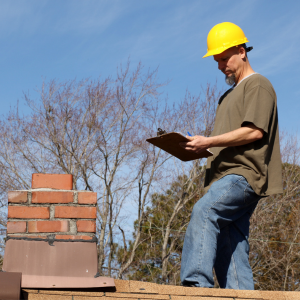
An appraiser weighs safety conditions most heavily in a required repair determination, tracing that standard directly back to how the loan programs were designed. For homeowners who want to avoid lender-required repairs altogether, cash home buyers in Florida purchase properties as-is, regardless of their condition.
Exposed wiring in a utility room, a water heater venting improperly, a pool without a code-compliant barrier, a staircase with no handrail: any of these can halt a transaction faster than a low appraisal value. Florida code adds specific layers that go beyond standard national guidelines. Pool safety barriers, for example, are required under Florida Statute 515 for residential properties, and an appraiser working on an FHA or VA loan will look for them. A home in Dunedin with a backyard pool and a missing self-closing gate could face a repair condition before the appraiser even gets inside.
Issues that compromise occupant safety, such as inadequate smoke detectors or blocked exits, and environmental hazards, such as asbestos or lead paint, are treated as repair conditions rather than simple value deductions. Underlying this is the logic that a lender holding a mortgage needs the collateral to be livable. Something that makes the home unsafe doesn’t just affect comfort; it affects the asset’s long-term value and insurability.
Health hazards and safety concerns overlap more than sellers expect. Mold in a bathroom is a health concern. Active mold growth behind drywall was discovered during an inspection in a Pinellas Park home. That’s an appraisal-level repair condition on government-backed loans. The line between a cosmetic issue and a health hazard shifts with severity, so sellers who know something is there are better off addressing it before the appraiser walks in.
How to Prepare Your Florida Home Before an Appraisal
What’s the cheapest repair you can make before an appraisal? Cleaning up. Appraisers aren’t grading on tidiness; clutter that blocks access to the attic, the electrical panel, or the water heater is a problem. An appraiser who can’t physically inspect a system may flag it as an area requiring further evaluation, which can pause a loan. Clear the path to every major mechanical before the appointment.
Beyond access, focus on anything visible from the exterior first. Florida appraisers photograph every elevation. Peeling paint, missing fascia boards, and a downspout detached from the gutters are signs of deferred maintenance and factor into condition ratings. A home in Kissimmee with a freshly painted exterior and trimmed landscaping gets a different condition note than the same floorplan two streets over, which shows obvious neglect, and that gap shows up in the numbers.
Inside, address the items most likely to meet FHA or VA standards: smoke detectors in every bedroom, no exposed wiring, HVAC filters installed and the system operational, no active leaks under sinks, and hot water heaters properly installed and vented. Unlike in seismic-risk states, water heater strapping is not required by Florida code, but proper installation and venting is, and appraisers on government-backed loans know exactly where to look for it.
If a termite inspection hasn’t been done recently, ordering one before listing is worth the cost. A VA loan will likely require it anyway, and finding out in advance gives you time to treat and re-inspect rather than scrambling mid-contract (treatment windows in Florida run tight).
How to Negotiate Repair Costs After a Florida Home Appraisal
Getting the repair list and then going silent is the mistake that kills the sale. When an appraiser returns a list of required repairs, the clock starts. Lenders set deadlines. Buyers get nervous. Sellers who don’t respond with a clear plan within a few days give buyers a reason to reconsider. The response matters as much as the repair itself.
Three paths are available: the seller fixes the items before closing, the buyer and seller agree to a price reduction that reflects the repair costs, or the seller funds a repair escrow that the lender holds until the work is verified. A price reduction is the simplest to execute, but it reduces the seller’s net. An escrow can work, but it requires the lender’s approval, and not all lenders allow escrow holdbacks for every repair type.
Seller-paid repair credits are sometimes capped by loan type. FHA and VA loans limit the amount of concessions a seller can offer. Getting quotes from licensed contractors before responding to the lender’s required repair list gives you real numbers to negotiate with, rather than guessing at costs that could be half what a contractor actually charges in a tight labor market like South Florida’s.
Sellers who feel overwhelmed by this piece sometimes find it easier to step back from the financed sale altogether. Selling directly to a cash buyer through a company that buys homes in Ocala and other cities in Florida sidesteps the appraisal process altogether: no lender, no minimum property standards, no required repair list attached to closing conditions.
What Happens If You Ignore Required Repairs in Florida?

Some sellers hear “required repairs” and think: “The buyer really wants this house; they’ll figure out a workaround.”
That reasoning fails because the buyer’s lender doesn’t want the house. The lender wants collateral that meets their standards. If a property fails to meet FHA’s minimum property standards, repairs are required before closing, or the loan will be denied. Full stop. The buyer cannot simply sign a waiver and proceed with an FHA or VA loan. The underwriter reviewing the appraisal report enforces the conditions regardless of what the buyer and seller have privately agreed to.
Frank Salinas watched this play out the hard way in Tarpon Springs. He’d inherited a bungalow with a detached garage full of vintage car parts and a roof that was genuinely at the end of its life. Two separate agent listings over fourteen months expired without a single closed offer. Buyers kept writing contracts, the appraisal kept flagging the roof, and financed buyers kept walking when they realized the repair requirement would delay closing and cost money neither side had clearly agreed to handle. On a Wednesday in January, Frank called us, and after we walked the property with him, we made a cash offer without waiting on a lender’s timeline. We closed on the house in three weeks without him touching the roof, clearing the garage, or paying for another appraisal.
Florida properties are sitting on the market for a median of 84 days in recent data, and a home with unresolved required repairs tends to sit longer than that. Every week it sits, it collects days on market that future buyers and their agents notice. Pricing it down to compensate means losing equity you might’ve preserved by addressing the problem earlier or selling through a different channel from the start.
Frequently Asked Questions
What Repairs Do Appraisers Typically Require?
Appraisers flag repairs that affect safety, structural soundness, or basic habitability. In Florida, the most common items are roof deficiencies, water intrusion, malfunctioning HVAC systems, exposed wiring, non-functional water heaters, peeling paint on older homes, missing handrails, and active pest infestations. The specific list depends on the loan type; FHA and VA appraisals have more detailed requirements than conventional loans.
What Fixes Are Mandatory After a Home Inspection in Florida?
Nothing from a home inspection is technically mandatory for a seller. The inspection report belongs to the buyer and informs their negotiation. Where it gets real is when those same deficiencies show up on the appraisal report as conditions tied to a financed loan. At that point, the lender controls what has to happen before closing, not the buyer or seller.
What Repairs Are Landlords Responsible for in Florida?
Under Florida Statute 83.51, landlords are required to maintain properties in compliance with building, housing, and health codes, including working plumbing, electrical systems, heating, and roofs that keep out water. These overlap heavily with what appraisers flag on investment property loans. If you’re selling a rental property in Florida, those deferred maintenance items your tenants have tolerated will likely surface as required repairs during any financed transaction.
If you’re staring at a repair list and trying to decide whether it makes more sense to fix, negotiate, or sell outright, Yellow Card Properties is happy to talk it through. As local cash buyers, we buy houses in St. Augustine and throughout Florida. Reach out to us at 904-539-4420 and tell us what you’re working with. No obligation, no pressure, just a real conversation about what your options actually look like.
Helpful Florida Blog Articles
- Sell Your Florida Home While Owing Back Payments
- Mastering Home Sale Contingencies In Florida
- Can a Buyer Back Out After Inspection in Florida
- Selling a House with a Mortgage in Florida
- Selling a House During a Divorce in Florida
- Home Appraisal Required Repairs in Florida
- Does a Seller Pay Closing Costs in Florida?
- Selling A House In A Trust After Death in Florida
- Eviction Process in Florida
- Selling a House That Needs Repairs in Florida
- Can You Stop a Foreclosure Once It Starts in Florida
- How Will Medicaid Know If I Sell My House