![Do sellers pay closing costs in [market_city]](https://image-cdn.carrot.com/eyJidWNrZXQiOiJwcm9kdWN0aW9uLmNhcnJvdC11cGxvYWRzLm9uY2Fycm90LmNvbSIsImtleSI6InVwbG9hZHMvc2l0ZXMvNTUwNDMvMjAyNi8wNy9Eby1zZWxsZXJzLXBheS1jbG9zaW5nLWNvc3RzLnBuZyIsImVkaXRzIjp7InJlc2l6ZSI6eyJ3aWR0aCI6MTE1Mn0sInRvRm9ybWF0Ijoid2VicCIsIndlYnAiOnsicXVhbGl0eSI6NzB9fX0=)

Most sellers in Florida spend months thinking about their asking price and maybe ten minutes thinking about what gets subtracted from it. By the time the closing statement lands on the table, the shock is real. A neighbor of mine in Lakewood Ranch called me after her closing, genuinely upset, not because the transaction fell apart, but because she walked away with about $28,000 less than she’d calculated on a napkin six months earlier. That gap comes down to closing costs in Florida, and what sellers actually pay is what I want to walk you through here.
What Are Closing Costs in Florida?
Some sellers push back when they hear the phrase “closing costs.” They say, “I already own the house free and clear. Why would I be paying fees?” Fair point, but owning the property doesn’t mean transferring it is free. Florida, the county, the title company, and sometimes your own HOA all get a piece of the transaction before your proceeds hit your account.
Closing costs are the collective fees and taxes that both parties pay to complete a real estate sale. In Florida, sellers cover the documentary stamp tax on the deed, the owner’s title insurance policy, the title search and closing fees, any outstanding lien payoffs, and, in most cases, a share of the real estate commissions (which can add up quickly at closing).
What trips people up is that these costs come straight out of proceeds, not out of pocket at closing. You don’t write a check; you just receive less money. This is a psychological difference that matters because sellers tend to treat it as “less painful” and stop paying attention to where the money goes. That mindset costs them.
Property taxes in Florida average around 0.73% of a home’s assessed value, and sellers pay their prorated share for the portion of the year they owned the home. In higher-tax counties like Broward or Palm Beach, that bill adds up fast, so sellers there should run the numbers before setting their net proceeds expectations.
If you’d rather avoid many of the traditional closing costs and sell on a timeline that works for you, contact us to request a no-obligation cash offer and see how much you could save on your home sale.
Who Pays Closing Costs in Florida?
At the end of June 2026, the median single-family Florida home price was $432,000, a 4.9% year-over-year increase. On a home at that price point, both the buyer and the seller are writing meaningful checks (sometimes bigger than expected) to close.
Both parties pay, but they pay different things. buyers generally handle their lender fees, appraisal, prepaid homeowners insurance, and their own title costs. The greater burden falls on sellers because agent commissions are bundled into their side of the ledger. In Miami-Dade County, buyers cover title insurance, while sellers handle this expense in the Orlando area. Regional variation confuses sellers who’ve bought and sold in different parts of the state, and I’ve watched experienced investors get tripped up by it when they cross county lines.
The Delgado family learned this the hard way. I sat with them at their kitchen table in Davie, a suburb of Fort Lauderdale, after two agent listings had expired with zero offers on their three-bedroom ranch with a screened pool. Nobody had clearly explained that each attempted sale carried its own cost structure, and the fees they’d implicitly agreed to were eating into a property that had sat vacant for seven months. We worked through the actual numbers together, which meant going line by line through every fee on the net sheet, and they finally had the full picture of what a sale would net them.
Sellers who plan to negotiate closing costs with the buyer also need to understand that any concessions they offer come entirely off their side of the ledger. Offering to cover a buyer’s closing costs in a softer market is a negotiating tool, but it’s one with a real price tag.
Typical Closing Costs for Sellers in Florida
Florida sellers typically pay between 8% and 9.5% of the sale price in total closing costs, including commissions. On a typical sale, you’re looking at somewhere between $32,000 and $38,000 off the top before your mortgage payoff is even considered. Real estate commission is the single biggest line item, and I’ve watched it eat into proceeds that sellers assumed were safely in their pockets. The average total commission in Florida sits around 5.5% of the sale price as of early 2026, splitting roughly 2.7% to the listing side and 2.8% to the buyer’s side.
After commissions, the next-largest cost for most sellers is the owner’s title insurance policy, which Florida customarily assigns to the seller in most counties (except Miami-Dade, where the buyer pays). Then comes the documentary stamp tax, Florida’s deed transfer tax, charged at $0.70 per $100 of the sale price. On a $400,000 sale, that’s $2,800, going directly to the state.
HOA estoppel fees also surprise people. If your property is in a community governed by a homeowners’ association, the HOA charges a fee to certify how much you owe them at closing. In some South Florida communities, those fees run $200 to $500 or more. If an old lien against the property turns up in the title search, it must be cleared before the deed transfers.
Looking to avoid many of the typical selling costs? Yellow Card Properties offers fair cash offers with no real estate commissions and a simple, fast closing process.
What Is Title Insurance and Why Does It Matter in Florida?
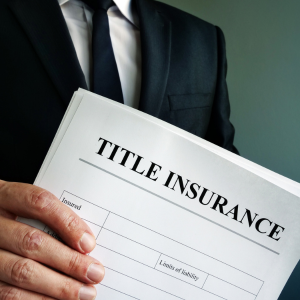
Title insurance protects against claims on the property that happened before you owned it: a forged deed in the chain of title, a missing heir, an unpaid lien from a prior owner, a boundary dispute that wasn’t disclosed. Florida has one of the more active title insurance markets in the country, partly because the state’s history of rapid land development, tourism-era transactions, and complex estate sales has left behind a lot of title messiness in the public records (I’ve seen decades-old liens surface at closing).
Paid at closing as a one-time premium, the owner’s title policy protects the buyer for as long as they own the property. In most Florida counties, the seller pays for the owner’s policy. Paid by the buyer, the lender’s policy covers the mortgage company separately. If the title search uncovers an old lien or judgment (which happens more often than sellers expect), the title company will require it to be satisfied before closing, and the seller is responsible for covering these costs from the proceeds.
Florida’s title insurance rates are regulated through a promulgated rate schedule, which you can review through the Florida Department of Financial Services. The rate doesn’t change based on which title company you use, but the closing service fee on top of the premium does vary, so shopping title companies still makes sense.
How to Save on Florida Closing Costs
Sellers who push back on their listing agents about commission structure before signing any agreement consistently keep more money than those who wait until they’re under contract to ask. Once you’ve signed a listing agreement, that rate is locked in. Your leverage evaporates the moment your signature is on the paper.
The closing service fee charged by the title company is not regulated the way insurance premiums are, so it can vary by several hundred dollars between providers. Shopping two or three title companies before you commit takes maybe an hour, which could save you a few hundred dollars. Ask for the fee to be reduced. The worst answer is no.
Selling to a Florida cash buyer is another path. Companies that buy houses for cash in Jacksonville pay cash, close fast, and typically cover their own closing costs, which means the seller doesn’t face the full 8% to 9.5% haircut. That trade-off is worth doing the math on, especially for sellers who need speed or who are carrying a property that needs work (deferred maintenance stacks up fast).
Tasha Hernandez found herself staring down a job transfer to Atlanta with five weeks to vacate her home in Palm Harbor, just north of Clearwater. Her garage was still packed with her late mother’s furniture. A traditional listing made no sense for her timeline. She reached out to Yellow Card Properties on a Thursday. We walked the house with her, presented a cash offer in person, and closed in under three weeks without touching a single piece of that furniture. The math worked because she avoided months of carrying costs, agent fees, and the back-and-forth of a financed offer, which in my experience can drag on long enough to eat through whatever you thought you’d saved.
Properties in Florida sat on the market for a median of 84 days in Q1 2026, up from 68 days a year earlier. For sellers who can’t afford to wait it out, the cost of a quick sale often compares favorably with the real carrying costs of a prolonged listing (mortgage, taxes, insurance, adding up fast). More information is also available through the Florida Realtors Association and the Consumer Financial Protection Bureau’s closing disclosure guide if you want to understand every line item on a settlement statement before you sign anything.
Typical Closing Costs for Buyers in Florida
A first-time buyer in Tampa goes to a pre-approval meeting thinking they need 20% down and “a little extra.” Six weeks later, at the closing table, they’re staring at a figure that’s several thousand dollars higher than their mental math allowed. For sellers who want to avoid many of these buyer-related financing hurdles, working with a cash-for-houses company in Palm Coast and other Florida cities can provide a simpler transaction with fewer closing complications.
Florida homebuyers can expect to pay between 2% and 5% of the home’s purchase price in closing costs. On a $400,000 home, that’s anywhere from $8,000 to $20,000 on top of the down payment, due on the same day. Buyers cover loan origination fees, the lender’s title insurance policy, their appraisal, a home inspection, prepaid interest, and the first year of homeowners’ insurance. In Florida, that insurance line alone has ballooned, which is something I didn’t fully account for the first time I bought here. Premiums average around $8,458 a year, roughly three times the national average, ranging from about $5,500 in inland counties like Polk and Marion to over $11,000 along the coast in Miami-Dade and Monroe.
Buyers can shop around for third-party fees, and the lender’s origination fee is often negotiable as well. The title company is sometimes chosen by the seller, so buyers should ask who selected them and why. Getting a competing quote from another title company is always worth the twenty-minute phone call.
Frequently Asked Questions
How Much Do Sellers Pay in Closing Costs in Florida?
Sellers in Florida typically pay between 8% and 9.5% of the sale price in total closing costs, with the higher end applying when real estate commissions are included alongside taxes, title fees, and other charges. On a median-priced home around $432,000, that works out to roughly $34,500 to $41,000 coming off your proceeds. The exact figure depends on your county, your agent’s commission rate, and whether you’re covering any buyer concessions.
How Much Are Closing Costs on a $300,000 Home in Florida?
On a $300,000 sale, a seller should expect to give up somewhere between $18,000 and $30,000 when commissions and all closing costs are factored in. Buyers purchasing a $300,000 home will typically pay an additional $6,000 to $15,000 in their own closing costs, depending on their loan type and lender fees.
What Are the Disadvantages of a Seller Paying Closing Costs?
When you cover a buyer’s closing costs as a seller concession, the money comes directly out of your net proceeds, so the sale price headline stays intact, but your actual take-home shrinks. It can also attract buyers with less financial strength, since they’re relying on the seller to fund their transaction. In a softer market, offering concessions makes sense as a transaction sweetener, but go in knowing the real dollar impact before you agree.
If you’re trying to figure out what you’d actually net from selling your Florida home and want someone to walk you through the real numbers, reach out to us at 904-539-4420. At Yellow Card Properties, we provide fair cash offers and a straightforward selling process tailored to your needs. No pressure, no obligation, just a straight conversation about your situation and your options.
Helpful Florida Blog Articles
- Sell Your Florida Home While Owing Back Payments
- Mastering Home Sale Contingencies In Florida
- Can a Buyer Back Out After Inspection in Florida
- Selling a House with a Mortgage in Florida
- Selling a House During a Divorce in Florida
- Home Appraisal Required Repairs in Florida
- Does a Seller Pay Closing Costs in Florida?
- Selling A House In A Trust After Death in Florida
- Eviction Process in Florida
- Selling a House That Needs Repairs in Florida
- Can You Stop a Foreclosure Once It Starts in Florida
- How Will Medicaid Know If I Sell My House