

A family calls me on a Thursday. Their mother passed two weeks prior; she owned a three-bedroom home in St. Augustine, and four siblings all want something different. One wants to keep it as a rental. One wants to sell fast. Two haven’t returned calls. And the house is sitting, untouched, with a mortgage ticking and no one sure who’s actually allowed to sign anything.
Selling a house in a trust after death plays out this way constantly across Florida, and the frustrating part is that it doesn’t have to be complicated, as long as the property was handled right before death.
Selling a House Held in Trust After Death: What Actually Changes
A few years back, I worked on a property in Middleburg, out in Clay County. Three siblings, a childhood home packed with thirty years of belongings, and every one of them wanted a clean exit. What made it workable was that their parent had transferred the deed into a revocable living trust years earlier (a common move in Florida estates), so the successor trustee could move forward without petitioning a court.
There’s the before-and-after right there. Without the trust, that family would have waited months for probate. With it, they moved at their own pace, sold the property, and split the proceeds cleanly.
Florida’s median single-family home price hit $432,000 in June 2026, with the median days on market sitting at 69 days. For families managing a trust sale after a death, that window matters. Every day the property sits, insurance is due, utilities keep running, and the emotional weight on everyone grows heavier. Getting your legal ducks in a row early is the only way to sell on your terms rather than the market’s.
Yellow Card Properties works directly with trustees and heirs across Florida, including situations where the timeline is tight or the property needs work. We buy houses as-is, which removes a major variable when you’re managing an estate from another state.
What Is a Revocable Trust and How Does It Work in Florida?

Can you actually control what happens to your home after you pass away, or even if you become disabled? A revocable living trust lets you create instructions for what happens to assets owned by the trust while you’re alive, in the event you become disabled, and after you pass away. Someone who creates a trust is called the “grantor” or “settlor,” and the person responsible for managing the trust assets is the “trustee.” You can serve as your own trustee, or you may appoint another person, a bank, or a trust company (corporate trustees charge annual fees).
Once you pass away, the trust becomes irrevocable. Your named successor trustee takes over and has the authority to sell the property, assuming the trust document grants that power. Well-drafted revocable trusts typically grant that power explicitly.
After the settlor dies and a successor trustee accepts the position, their conduct is governed by Chapter 736 of the Florida Statutes, also known as the Florida Trust Code. That statute has real enforcement power. A trustee who ignores beneficiaries or makes self-serving decisions faces personal liability, not just a slap on the wrist.
Which Assets Are Subject to Probate in Florida?
Only assets owned by a decedent in their individual name require probate. Assets owned jointly with rights of survivorship, or with designated beneficiaries such as life insurance, retirement accounts, and pay-on-death bank accounts, bypass probate. Assets held in trust also avoid probate.
But here’s the catch: the trust only controls what was transferred into it. Your assets must be formally transferred to the trust before death to get the maximum benefit. This process is called “funding” the trust and requires changing the ownership of assets to the trust, which I’ve seen trip up even well-prepared estates. Assets not properly transferred may be subject to probate.
If a probate estate contains less than $75,000 in non-exempt assets, Florida law may allow the estate to go through a faster process called summary administration. Larger or more complex estates typically require formal administration, which can take several months to complete. Many families are surprised by how long probate can delay a sale, and I’ve seen sellers miss the prime spring home-selling season in Northeast Florida because the court process wasn’t finished in time. If you’re facing probate delays and need a faster solution, we buy houses in Florida and can purchase probate properties in as-is condition, helping families move forward without waiting for a traditional sale. We also work with sellers who need cash home buyers in St. Augustine and the surrounding Northeast Florida counties.
How Does a Revocable Trust Help You Avoid Probate in Florida?
Real property correctly titled and funded into a revocable living trust prior to death bypasses the probate court’s jurisdiction entirely, allowing the successor trustee to execute the property sale immediately. No court petitions. No waiting for a judge’s calendar.
Selling a house in a trust is usually faster and more private than selling through probate because the successor trustee can often act under the trust document without a court appointment. Probate proceedings in Florida are filed with the county circuit court and become public documents, which means anyone can look up the estate details and asset values. Trust administration stays between the trustee, the beneficiaries, and any attorneys involved.
Avoiding probate in multiple states is also a definite benefit for any Florida owner who holds property in Georgia, North Carolina, or anywhere else. Without a trust, each state’s property requires its own separate probate filing, a compounding problem that a properly funded trust eliminates.
Can a Florida Revocable Trust Hold Title to Your Homestead Property?
Yes, a revocable trust can hold title to your primary residence. That said, specific legal language must be included to preserve your Florida Homestead Tax Exemption and creditor protections. Most Florida counties have special requirements to maintain the homestead tax exemption, and special language may be required in both the trust agreement and the deed.
Specific provisions must be contained in the trust instrument to preserve homestead status. The trust should grant the settlor the right to occupy the property as a primary residence for life, assign the settlor the obligation to pay property taxes and maintain the home, and retain the settlor’s power to revoke or amend the trust. Get that language wrong, and you could lose the exemption, which translates directly to a higher tax bill every year until the property sells.
How Do You Know If Your Assets Are Properly Titled to Your Florida Revocable Trust?
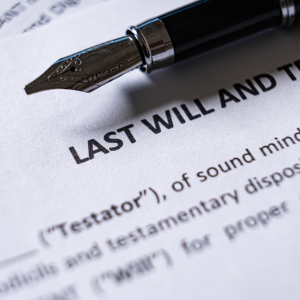
A $450,000 rental property left in your personal name instead of your trust’s name can blow up your entire estate plan. Mis-titled assets are the single most common reason a trust fails to do its job.
Even a perfectly drafted trust document can accomplish nothing if the deed on the property was never updated to show the trust as the owner. A deed that still shows your name alone means the house is not inside the trust, regardless of what the trust document says.
If your trust will own real estate, it’s important to have the deed prepared by an attorney. The attorney will consider the impact of existing mortgages, title issues, and homestead restrictions. A deed transfer on an active mortgage can also trigger a due-on-sale clause, so the lender needs to be looped in or the transfer handled correctly under applicable federal exemptions.
Pull the deed on the property and read the grantee line. If it doesn’t reference the trust by name, the asset is not funded, and that’s a problem worth fixing today rather than after a death forces a rushed probate filing. The trust agreement, or a legal summary called a Certificate of Trust, is accepted in Florida under Fla. Stat. § 736.1017, and most title companies and buyers will require one at closing to confirm the trustee’s authority to sell.
If you’re dealing with a trust-related title issue, Yellow Card Properties regularly helps successor trustees resolve these challenges. If you need to sell your house fast in High Springs, we’re here to make the process simple and hassle-free.
How Are Creditor Claims, the Elective Share, and Estate Taxes Handled by a Florida Revocable Trust?
In Florida, trust assets are not protected from the claims of your creditors. During your lifetime, the assets in a revocable trust are treated as owned by you and subject to creditor claims as if you owned them personally. After the grantor dies, probate law limits the time for creditors to file claims against the estate (generally three months from the date of notice) and provides a process for objecting to claims.
Generally, assets held in a revocable trust are subject to the elective share. If the surviving spouse is owed an elective share, that claim must be resolved before the trustee distributes proceeds from any sale.
On the estate tax side, a revocable trust offers no reduction in federal estate tax exposure on its own. The trust assets are counted as part of the taxable estate. A properly structured trust can include sub-trusts or credit shelter arrangements that reduce the eventual tax burden. Your CPA and estate attorney handle those details.
Who Pays Income Tax on Florida Revocable Trust Income and What Are the Trustee’s Responsibilities?

In most instances, the revocable trust is ignored for federal income tax purposes during the grantor’s lifetime. Income and deductions are reported directly on the individual income tax return, and the trust uses the grantor’s Social Security number as its tax identification number.
A revocable trust becomes a separate entity for federal income tax purposes when it becomes irrevocable. The trustee is then required to file an annual fiduciary income tax return covering any income the trust earns between the date of death and the date assets are fully distributed to beneficiaries. Rental income while the property sits on the market, for example, gets reported there, leaving you with a separate filing even before the estate closes.
The trustee must collect and value the trust assets, determine creditors and beneficiaries, pay taxes and expenses, and ultimately distribute the trust estate. A trustee is entitled to reasonable compensation for the work involved, and that fee is deductible by the trust.
One pattern I keep seeing: heirs step into the successor trustee role without realizing the full scope of the fiduciary duty they’ve accepted. They delay distributions, stop communicating with co-beneficiaries, or let the property sit idle while arguing over the listing price. All of that creates exposure. The trustee answers to the beneficiaries, and in Florida, those beneficiaries have statutory rights under the Trust Code.
An heir I worked with in Palatka found himself managing a rental property near the St. Johns River that he never wanted to be responsible for. He’d been fielding calls from tenants for over a year by the time we connected, exhausted from a role he never signed up for. Selling directly to a local buyer lets him wrap up his trustee duties cleanly, make a final distribution to the other beneficiaries, and close the fiduciary chapter for good.
If you’re facing a similar situation, it may be worth spending a few minutes talking with Yellow Card Properties.
Yellow Card Properties buys houses for cash, making the process simple and hassle-free. Call us today to discuss your options and see how we can help you move forward quickly.
Frequently Asked Questions
Is Selling a House in a Trust Before Death Taxed?
When the grantor is alive and serves as trustee, selling real estate from a revocable trust is treated the same as a personal sale for income tax purposes. Any capital gains are reported on the grantor’s individual return, and standard exclusions may apply if the property qualifies, such as the $250,000 primary-residence exclusion for single filers. The trust structure itself doesn’t add an extra tax layer while the grantor is alive.
How Do You Avoid Paying Capital Gains Tax on Inherited Property in Florida?
Property inherited through a trust or an estate generally receives a stepped-up cost basis to the fair market value at the date of the original owner’s death. That means if the home was worth $400,000 when the grantor died, and you sell it quickly at that same price, there may be little to no capital gain to tax. The longer the property sits and appreciates before the sale, the more of a gain you’ll eventually recognize. Work with a CPA familiar with Florida estate sales to run the numbers on your specific property.
How Long Can a House Stay in a Trust After Death?
Florida law requires a trustee to proceed in distributing trust property to beneficiaries without unreasonable delay after a trust terminates or partially terminates. There’s no fixed statutory deadline expressed in months, but sitting on a property indefinitely while beneficiaries wait for distributions puts the trustee at risk of a breach-of-fiduciary-duty claim. Most trust administrations wrap up within one to two years; anything beyond that should have a clear, documented reason.
What Are the Disadvantages of Selling a House in a Trust Before Death?
The main drawback is that transferring a home into a revocable trust requires updating the deed, which involves attorney fees and recording costs. If the deed isn’t drafted correctly, you risk losing your homestead tax exemption or triggering issues with an existing mortgage. The trust also offers no protection from your creditors during your lifetime, so anyone expecting an asset-protection shield will be disappointed. For most Florida homeowners, those tradeoffs are worth it, but the setup has to be done carefully.
If you’re a successor trustee trying to figure out your next step, or an heir who just wants to understand the process before making any decisions, we’re here to help. No pressure, no obligation. Reach out to Yellow Card Properties and talk through your situation with someone who has been through this many times before and genuinely wants to see you land in a good place.
Helpful Florida Blogs
- Sell Your Florida Home While Owing Back Payments
- Mastering Home Sale Contingencies In Florida
- Can a Buyer Back Out After Inspection in Florida
- Selling a House with a Mortgage in Florida
- Selling a House During a Divorce in Florida
- Home Appraisal Required Repairs in Florida
- Does a Seller Pay Closing Costs in Florida?
- Selling A House In A Trust After Death in Florida
- Eviction Process in Florida
- Selling a House That Needs Repairs in Florida