![Can you stop a foreclosure once it starts [market_city]](https://image-cdn.carrot.com/eyJidWNrZXQiOiJwcm9kdWN0aW9uLmNhcnJvdC11cGxvYWRzLm9uY2Fycm90LmNvbSIsImtleSI6InVwbG9hZHMvc2l0ZXMvNTUwNDMvMjAyNi8wOS9DYW4teW91LXN0b3AtYS1mb3JlY2xvc3VyZS1vbmNlLWl0LXN0YXJ0cy5wbmciLCJlZGl0cyI6eyJyZXNpemUiOnsid2lkdGgiOjExNTJ9LCJ0b0Zvcm1hdCI6IndlYnAiLCJ3ZWJwIjp7InF1YWxpdHkiOjcwfX19)

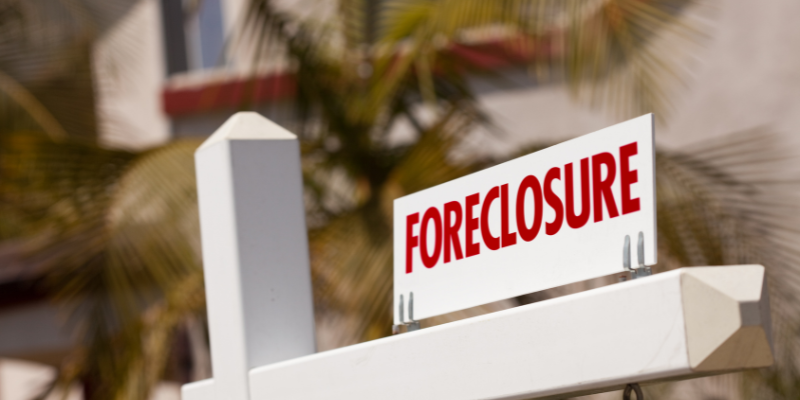
Florida posted the worst foreclosure rate in the country during the first half of 2026. ATTOM’s midyear report found a filing on one in every 373 housing units in the state, or 27,494 properties. Plenty of those owners had options they never used. So yes, you can stop a foreclosure after it starts. I’ve watched owners do it weeks before a scheduled sale. Where you are in the process decides which doors are still open.
What Is Foreclosure in Florida?
Your mortgage lender can’t just take the house. It has to sue you first, and in this state that’s the whole ballgame.
Every foreclosure in Florida runs through the courts. The lender files a complaint in circuit court in the county where your property sits. It names you, plus any junior lienholders, and asks a judge for a judgment. Someone serves you the papers in person, and that moment rattles most homeowners more than anything after it. You then get a short window to file a written answer with the court clerk. Don’t skip it. That’s the most expensive mistake I see. If you don’t answer, the case heads toward a default judgment, and those move fast.
Owners who show up in the case keep some leverage, even without a bulletproof defense. Meanwhile, attorney’s fees, late charges, and interest keep landing on the balance, which is why the final judgment always comes in higher than what you were behind when you stopped paying. Owners who expect it to match their last statement are usually in for a shock.
Notice of Default and Notice of Sale: What Do They Mean in Florida?
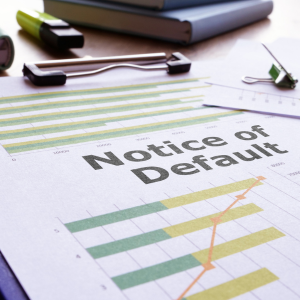
I used to lump these two documents together. They aren’t even close.
A notice of default, often called a breach letter, comes from your servicer before any lawsuit exists. It lists what you owe, gives you a date to cure, and warns that the whole loan could come due at once. That letter is your cheapest chance to fix things.
A notice of sale shows up much later, after a judgment. It publishes the date, time, and website where your property goes to auction for the highest bidder.
Out in Palatka, a retired couple called me last year. Their tenant had quit paying, and the mortgage was three payments behind. They’d never wanted to be landlords, since the house came to them through a family estate, and the garage still held the tenant’s abandoned jet ski. We closed before the lender’s attorney ever filed anything.
What Are Your Rights During a Florida Foreclosure?
An owner in Ocala figured her case was over once the judgment came out. Then she learned she could still pay the judgment amount and keep the house, and she did it with two days to spare.
Florida gives you a redemption right that survives the judgment. Florida Statute 45.0315 lets you cure the debt and stop the sale until the later of two events. One is the clerk filing the certificate of sale. The other is whatever deadline the judgment itself sets. You’d pay the judgment amount plus the lender’s reasonable costs, including attorney’s fees.
You also have a right to proper service and a fair chance to raise defenses. If the auction brings in more than you owe, you can claim the surplus money. How many homeowners in foreclosure never file a single document? Too many.
How Long Does a Florida Foreclosure Take?
“How much time do I really have?”
More than most people expect, though the clock isn’t generous. Federal servicing rules under 12 C.F.R. § 1024.41 bar your servicer from making the first foreclosure filing until your loan is more than 120 days behind. Aside from a few narrow exceptions, that means the lawsuit usually lands four months or more after your first missed payment.
Once the complaint is filed, an uncontested case can wrap up in a few months. A contested one drags. Most people I talk to are surprised by how fast the back half moves once a judge signs off. Nationally, properties foreclosed in the second quarter of 2026 had spent an average of 563 days in the process, ATTOM says. That’s the shortest stretch since 2013. Extra time in a long case cuts both ways. You get room to sell, and the lender gets more months of interest to pile onto your balance.
What Options Stop a Foreclosure in Florida?
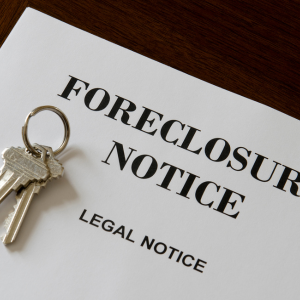
Bankruptcy is the tool people grab first, and it’s usually the one you should weigh last.
Reinstatement is the cleanest fix if you can raise the arrears. Your servicer’s loss mitigation team handles modifications, repayment plans, and forbearance. Send a complete application more than 37 days before the sale, and federal rules generally keep the servicer from holding the sale while it reviews you. A short sale fits when you owe more than the house is worth. With a deed in lieu of foreclosure, you hand the property back on your own terms, and some lenders add relocation money. If a relative wants to step in, it’s worth checking whether someone can take over your mortgage in Florida before your next call with the servicer.
Filing under the Bankruptcy Code triggers an automatic stay, which halts the foreclosure sale the moment the petition hits the court. Chapter 13 lets you catch up on arrears through a repayment plan and keep the house. Chapter 7 mostly buys breathing room rather than a permanent fix, and it’ll stay on your credit for years.
Selling outright is the option nobody pitches you. Florida’s single-family median sale price hit $415,000 in August 2026, per Florida Realtors, so plenty of owners are sitting on equity worth protecting. Companies like Yellow Card Properties buy as-is and close on your date. That matters a lot once a sale date is already on the calendar.
What Happens at a Florida Foreclosure Auction?
Miss the auction date and your equity can turn into someone else’s bargain.
The final judgment tells the clerk to sell the property at public auction on a set day. Under Florida Statute 45.031, that day falls between 20 and 35 days after the judgment, unless the plaintiff’s attorney agrees to a later date. Florida law allows these auctions to run online. The winning bidder has to post a 5 percent deposit right when bidding closes.
After the sale, the clerk files a certificate of sale. Any party can object within 10 days of that filing. If the property sold for more than the judgment and costs, the surplus is yours, though junior lienholders can file claims against it too. I’ve seen homeowners leave that money sitting unclaimed because nobody told them to ask. So ask. Your county clerk’s office can walk you through the surplus claim and its current forms.
How Do You Spot and Avoid Foreclosure Rescue Scams in Florida?
A lot of foreclosure rescue scams start the same way. A caller promises to make the whole lawsuit disappear for a flat fee paid up front. The fee gets cashed, nobody files anything with the court, and your sale date arrives right on schedule.
Watch out for anyone who wants you to deed the property over on a promise that you can rent it back and buy it later. In my years buying houses, that setup almost never ends with the homeowner owning anything. Be wary of upfront fees for loan modification help, too. HUD-approved housing counselors help with foreclosure for free.
A real buyer puts a written offer in front of you and doesn’t ask for money before closing. Closing happens through a licensed Florida title company, and the payoff goes straight to your lender. That’s how you tell a legit offer from a pitch. Ask who’s putting up the money. If they won’t say, walk. We’d rather you check us out first, so here’s who we are at Yellow Card Properties.
What Should You Do First If You’re Facing Foreclosure in Florida?
One Wednesday afternoon, a man called about an Orange Park house he’d inherited. It was packed with thirty years of his father’s belongings, and the garage was full of half-finished woodworking projects. His siblings, spread across three states, wanted a clean exit. A lender’s attorney had already filed.
Start by pulling your complaint or judgment and finding the deadline printed on it. Write that date on a sticky note and put it where you’ll see it every day. Next, get an honest number for what the property is worth today. Listing can work if you have runway. Keep in mind that Florida homes spent a median of 73 days on the market in August 2026, according to Redfin, and closing adds several more weeks.
If you want to fight the lawsuit itself, talk to a foreclosure defense attorney. If the numbers say selling protects more of your money, that isn’t giving up. It’s math. A cash offer from a buyer like Yellow Card Properties costs you nothing, and seeing that number tells you where you stand.
Frequently Asked Questions
What Can I Do Right Now to Stop a Foreclosure Fast?
The fastest moves are curing the arrears, filing a bankruptcy petition to trigger the automatic stay, or signing a contract that pays the lender off before the sale. Call your servicer’s loss mitigation department too, since a complete application can slow things down. How fast you need to move depends on how close the auction date is.
How Long Can You Stay in Foreclosure in Florida?
Anywhere from a few months to well over a year, depending on whether you contest the case. Uncontested cases where nobody files an answer move quickly. Once you respond, the court has motions and hearings to work through, and the timeline stretches. After the auction, the clerk files the certificate of title if nobody objects within 10 days. You can generally stay at least until then unless you’ve agreed otherwise.
Can I Sell My House After the Foreclosure Sale Date Is Set?
Yes, as long as the sale hasn’t happened yet. A scheduled auction doesn’t strip you of ownership, so you can sell right up until the gavel drops. You’ll need a buyer who can close fast and a title company that knows how to order a payoff and work with the plaintiff’s attorney. Cutting it close happens all the time, as long as everyone moves at the same speed. We walk through that route in our guide on how to sell your Florida home while owing back payments.
Will I Owe Money After My Florida Home Is Foreclosed?
Possibly. Florida allows deficiency judgments when the sale price falls short of what you owe. State law gives lenders one year to sue for one, starting the day after the clerk issues the certificate. Selling before the auction can head this off. A negotiated payoff or approved short sale settles the debt on terms you agreed to, rather than whatever a courthouse bidder decides to pay.
Does Foreclosure Hurt My Credit More Than Selling?
A completed foreclosure stays on your credit report for seven years. Future lenders weigh it more heavily than almost anything short of bankruptcy. A sale that pays the loan off leaves the account closed and current. Even a short sale generally does less damage and shortens the wait before you can finance another home.
Talk Through Your Options With Us
If you’re anywhere in this process and just want to see what your options look like, we’re happy to talk it through. Send us the address, tell us where things stand, and we’ll give you a cash offer with no pressure to take it. Sit with the number as long as you like, or just use it as a yardstick while you weigh everything else. When you’re ready, you can connect with us by phone or through the contact form.
Helpful Florida Blogs
- Sell Your Florida Home While Owing Back Payments
- Mastering Home Sale Contingencies In Florida
- Can a Buyer Back Out After Inspection in Florida
- Selling a House with a Mortgage in Florida
- Selling a House During a Divorce in Florida
- Home Appraisal Required Repairs in Florida
- Does a Seller Pay Closing Costs in Florida?
- Selling A House In A Trust After Death in Florida
- Eviction Process in Florida
- Selling a House That Needs Repairs in Florida
- Can You Stop a Foreclosure Once It Starts in Florida